Base Airdrop 2026 status update
The most important fact to establish right now is that the Base token has not been officially announced. Coinbase and the Base team have maintained a consistent position for years: there are no plans for a network token. Jesse Pollak, Base’s creator, stated in November 2024 that "there are no plans for a @base network token." This official stance remains the primary reference point for any discussion regarding the Base airdrop 2026.
However, the absence of a token launch does not equate to an absence of airdrop. In the current Web3 landscape, retroactive airdrops have become a standard mechanism for rewarding early ecosystem participants without the immediate regulatory burden of a public token sale. Base’s ecosystem has grown significantly, with high daily active user counts and substantial total value locked (TVL). This growth creates a strong incentive for the team to distribute tokens to early adopters, similar to how Arbitrum and Optimism structured their distributions.
Expectations should be grounded in probability, not certainty. While the likelihood of a future airdrop is high given the network’s scale and Coinbase’s strategic interests, the timing and mechanics remain speculative. Users should focus on genuine participation—such as bridging assets and using dApps—rather than chasing speculative metrics. The official Base documentation at base.org remains the only source for confirmed updates, and any claims of imminent launches should be treated with skepticism until corroborated by primary sources.
Bridge funds to Base mainnet
Moving assets from Ethereum or other Layer 2 networks to Base is the foundational step for establishing on-chain presence. While Coinbase has stated there are no current plans for a network token, participation in Base’s ecosystem remains a primary indicator of potential eligibility for future distributions. This process involves transferring ETH or stablecoins to your Base wallet, incurring network gas fees along the way.
1. Prepare your wallet
Ensure your Web3 wallet (such as MetaMask or Rabby) is configured with the Base network. You can add Base manually using the official parameters from base.org. Verify that your wallet holds a small amount of ETH on the source chain (Ethereum or an L2 like Arbitrum) to cover bridging fees and future Base gas costs.
2. Select a bridge
Use an official or highly reputable bridge. The Base Bridge is the native solution, offering seamless integration for most wallets. Alternatively, third-party aggregators like Across or Stargate may offer better rates depending on the asset and network. Always double-check URLs to avoid phishing sites.
3. Execute the transfer
Connect your wallet to the chosen bridge. Select the source network and Base as the destination. Enter the amount of ETH or tokens you wish to move. Review the estimated gas fees and the expected arrival time. Confirm the transaction in your wallet. Note that Ethereum mainnet gas fees can be volatile; consider bridging during low-traffic periods to minimize costs.
4. Verify receipt
Once the transaction is confirmed on the source chain, the assets will appear on Base after the bridge’s settlement period. Check your Base balance to ensure the funds arrived correctly. If you are bridging ETH, keep a small remainder on Base for future interactions. Avoid moving your entire portfolio in the first transaction; test with a small amount first.

Open your wallet settings and add a new network. Use the official Base RPC URL and Chain ID found on base.org. This ensures your wallet can interact with Base dApps and display your balance correctly.

Navigate to the Base Bridge or a trusted aggregator. Connect your wallet. Select Ethereum (or your source L2) as the "From" network and Base as the "To" network. Verify the URL is official to prevent phishing.
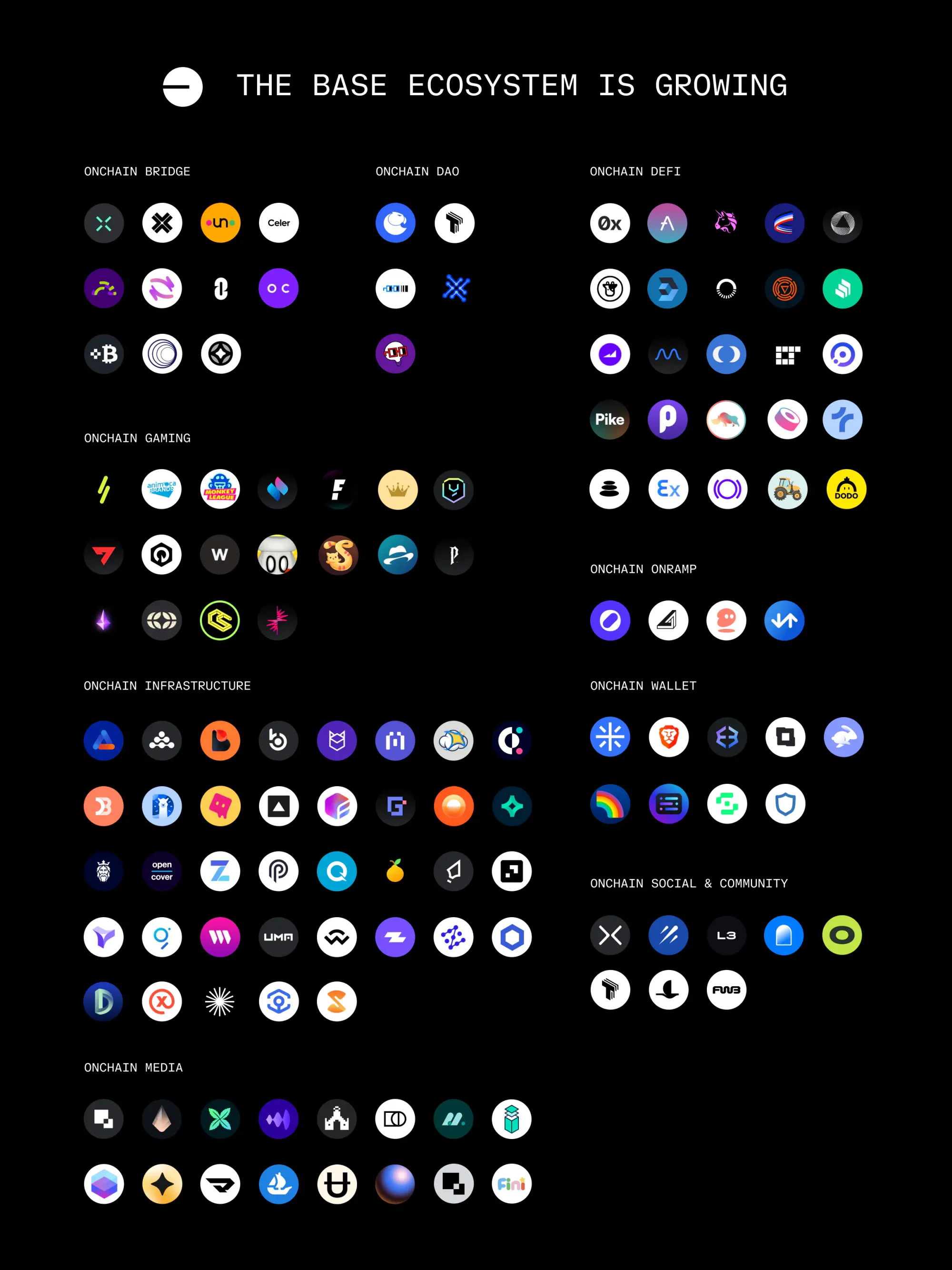
Enter the amount to bridge. Review the gas fees on both the source and destination chains. Click "Bridge" and confirm the transaction in your wallet. Wait for the transaction to settle on Base, which can take a few minutes for L2s.

Check your Base balance to confirm receipt. Use the bridged ETH to interact with Base dApps, such as swapping tokens on Uniswap or providing liquidity. These on-chain activities help establish a transaction history.
| Bridge | Speed | Cost | Best For |
|---|---|---|---|
| Base Bridge | Fast | Variable | Native integration |
| Across | Fast | Competitive | Rate optimization |
| Stargate | Medium | Low | Stablecoins |
Trade on Base decentralized exchanges
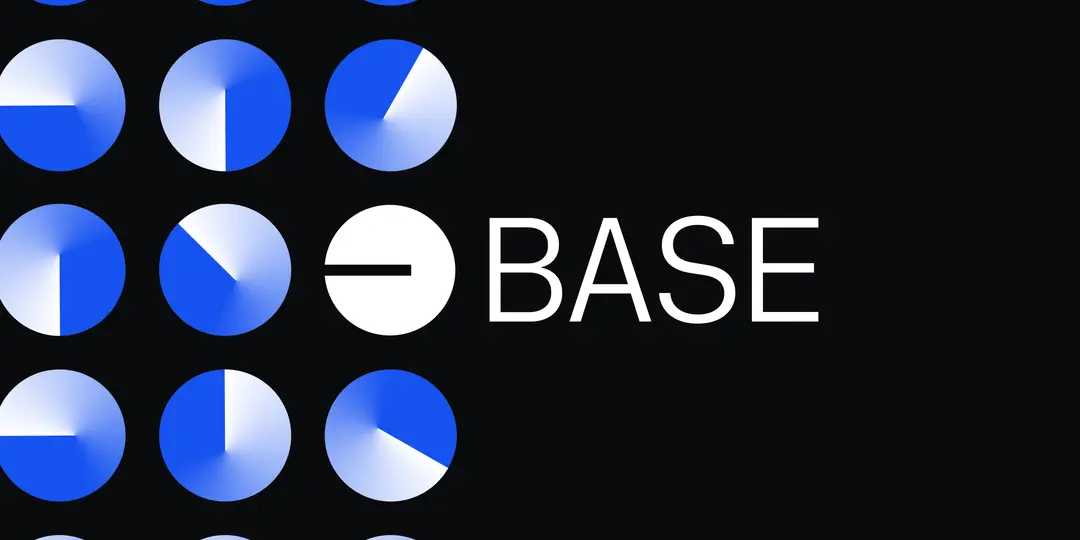
Generating on-chain volume through decentralized exchanges (DEXs) is a primary method for demonstrating active participation on the Base network. Protocols like Aerodrome and Uniswap on Base process the majority of liquidity on the chain. Engaging with these platforms requires bridging assets to Base and executing swaps or providing liquidity.
The process begins by moving funds from an Ethereum mainnet wallet or a centralized exchange to a Base-compatible wallet. Once on the network, users can connect to DEX interfaces to swap tokens. Higher frequency swaps and consistent transaction volume over time are often cited as signals of genuine user activity.
Providing liquidity to automated market maker (AMM) pools is another way to generate volume. This involves depositing pairs of tokens into a pool, which earns trading fees. While this activity counts toward on-chain engagement, it carries impermanent loss risks and requires careful management of capital.
Use the official Coinbase Wallet bridge or a trusted third-party bridge like Across or Stargate to move ETH or stablecoins from Ethereum mainnet to Base. Ensure you are using the correct Base network configuration in your wallet to avoid sending funds to the wrong chain.
Navigate to a leading Base-native DEX such as Aerodrome or Uniswap on Base. Connect your wallet using the "Connect Wallet" button. Verify the URL to ensure you are on the official site, as phishing sites are common in the airdrop space.
Perform token swaps to generate transaction volume. For deeper engagement, consider adding liquidity to popular pools like USDC/ETH. Regular, small transactions over several weeks are generally more effective than a single large transaction for demonstrating organic usage patterns.
Always prioritize security when interacting with DeFi protocols. Use hardware wallets when possible, and never share your seed phrase. Remember that airdrop eligibility is never guaranteed, and these actions should be viewed as supporting the ecosystem rather than a guaranteed return on investment.
Use Base native lending protocols
Providing liquidity or borrowing on Base-specific lending platforms is a high-impact strategy for demonstrating active network participation. While Coinbase has historically stated there are no plans for a token, the potential for future airdrops often rewards users who deepen their engagement with the ecosystem's infrastructure. Lending protocols serve as a primary vector for this activity, as they lock capital into the network's financial layer.
This approach differs from simple holding; it requires you to actively deploy assets. By supplying liquidity to decentralized exchanges or lending markets on Base, you generate on-chain volume and utility. This activity is frequently tracked by airdrop hunters as a sign of genuine adoption, potentially distinguishing your wallet from inactive addresses.
Research established lending platforms built on Base, such as Aave or Moonwell. Verify the protocol's audit status and total value locked (TVL) to ensure security. Avoid unverified or new protocols with low liquidity, as the risk of smart contract exploits often outweighs potential airdrop rewards.
Transfer stablecoins or ETH from your source chain (e.g., Ethereum Mainnet) to Base. Use the official Base bridge or a trusted aggregator like Coinbase Wallet Bridge. Ensure you have sufficient ETH on Base for gas fees, as lending transactions require network computation.
Connect your wallet to the chosen lending protocol. Deposit assets into the lending pool to earn interest, or borrow against your collateral. Consistent activity over several months is more valuable than a single large transaction. Aim for regular, small deposits to simulate organic user behavior.
Maintain this activity over time. Airdrop algorithms often look for sustained engagement rather than one-time events. Regularly check your positions and ensure your wallet remains active on the network. This strategy positions you favorably if Base ever introduces a governance token or rewards program for early infrastructure supporters.
Track your on-chain activity
Before any official announcement, your wallet history is your only proof of participation. Since the Base airdrop remains unconfirmed, you must treat your transaction logs as the primary record of eligibility. There is no central dashboard to check; you are responsible for verifying that your interactions meet the network's implicit criteria.
Start by auditing your transaction count and diversity. Eligibility often favors wallets that have bridged assets, swapped tokens, or provided liquidity across multiple dApps rather than those with a single large deposit. Use a block explorer like BaseScan to review your full history. Look for gaps in activity; a wallet that went dormant for months may be less competitive than one with consistent, smaller interactions over time.
Monitor network metrics to gauge the health of the ecosystem you are participating in. A vibrant network suggests higher potential rewards, while stagnation might indicate a longer wait or different distribution mechanics. The following chart illustrates recent transaction volume trends on the Base network, providing context for current activity levels.
Stay alert for official updates from Base.org or credible crypto news outlets like Bankless. Do not rely on third-party "eligibility checkers" that ask for your private key or seed phrase; these are almost always scams. Instead, set up wallet alerts or follow verified project announcements to know exactly when and how to claim any future rewards.
Base airdrop eligibility checklist
Verifying eligibility requires separating confirmed requirements from speculation. Because Coinbase and Base leadership have stated there are no plans for a token, any "guaranteed" reward claims are likely inaccurate. Your focus should remain on verifiable on-chain activity that aligns with standard airdrop mechanics.
Verification Steps
- Check Official Announcements: Only trust information from
base.orgor official Coinbase channels. Ignore third-party sites claiming to "pre-claim" tokens. - Review On-Chain History: Ensure your wallet has performed genuine interactions on the Base network, such as bridging ETH or using dApps.
- Secure Your Wallet: Enable two-factor authentication on any exchange accounts and never share your seed phrase. Airdrop farming carries significant security risks.
Common Questions About Base Rewards
The Base network has not officially confirmed a token launch. Jesse Pollak, the creator of Base, stated in November 2024 that there are no current plans for a network token. While an airdrop remains a possibility for early users, the project's leadership has maintained that no distribution events are scheduled at this time.
Users should be cautious of third-party sites claiming to distribute "Base tokens" or asking for wallet signatures to "claim" rewards. These are often phishing attempts designed to drain wallets. The only official source for any future announcements is base.org. Never share your private keys or seed phrase to participate in any supposed airdrop.
No comments yet. Be the first to share your thoughts!