Base airdrop 2026 status
As of 2026, there is no official Base token and no Base airdrop to claim. The network, built by Coinbase, operates without a native governance token, meaning any site or message asking you to connect your wallet to "claim" Base tokens is a scam.
The Base team has not announced a token generation event (TGE) or a distribution schedule. While the ecosystem continues to grow with upgrades like Base Azul, the absence of a token remains a deliberate policy decision. Expecting a claim portal will only expose your wallet to phishing attacks and unauthorized transactions.
Financial analysts and crypto research outlets, such as the Bitcoin Foundation, currently categorize Base as a project with "airdrop potential" rather than a confirmed distribution. This distinction is critical: potential implies speculation, not action. Until Coinbase or the Base team publishes an official announcement, the airdrop remains theoretical.
Do not share your seed phrase or private keys with any third-party service claiming to help you secure a future airdrop. Legitimate airdrops never require upfront payments or private key access. Stay vigilant and rely only on verified sources for updates on the Base network.
Bridge assets to Base network
The most direct way to prove activity on Base is to move funds from Ethereum L1. This action creates on-chain records that anchor your wallet to the network. You can use the official Base Bridge or bridge through your wallet interface.
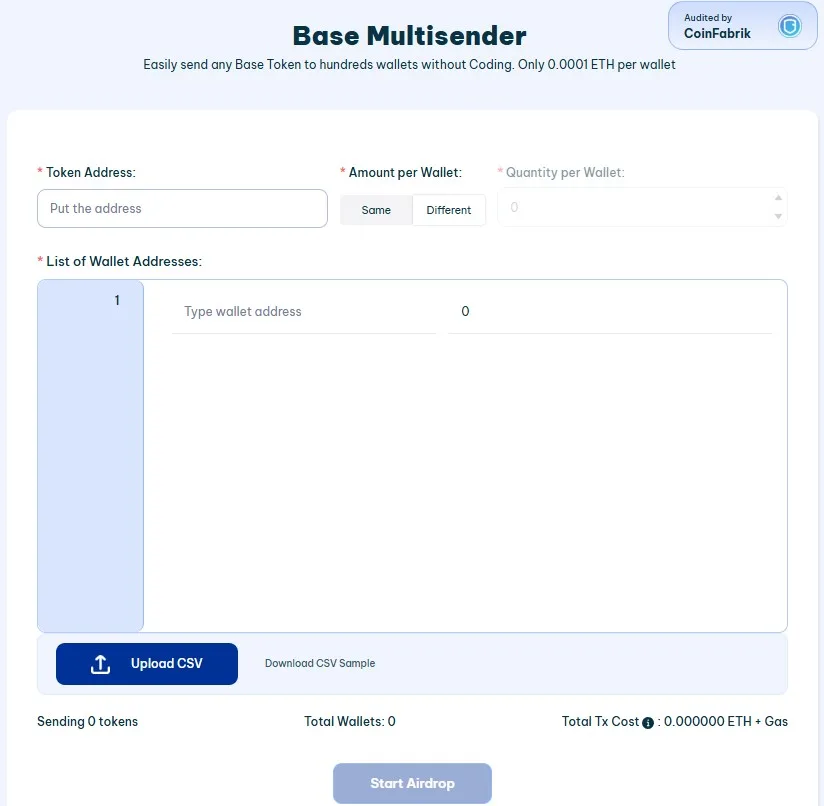
Navigate to the official Base Bridge portal. This is the primary gateway for moving assets between Ethereum and Base. Always verify the URL to avoid phishing sites that mimic the official interface.

Click the wallet connection button and select your preferred provider, such as Coinbase Wallet or MetaMask. Ensure your wallet is connected to the Ethereum mainnet before initiating the bridge.

Choose the token you wish to transfer, typically ETH or USDC. Enter the amount you want to bridge. Keep a small amount of ETH on Ethereum to cover the gas fees for the transaction approval and the bridge itself.
Review the transaction details, including the bridge fee and estimated time. The bridge typically takes about 10 minutes for funds to arrive on Base. Confirm the transaction in your wallet and wait for the network to process the swap.
Once the transaction confirms, your assets will appear in your wallet when the network is set to Base. This simple transfer is the foundation for all subsequent DeFi interactions. Without bridged funds, you cannot provide liquidity or swap tokens on Base DEXs.
Warning: Never bridge funds through unofficial third-party links found in social media comments. Always use the official Base Bridge or reputable wallets that integrate the bridge directly.
This step establishes your footprint on the network. Future tasks, such as swapping tokens or providing liquidity, require these bridged assets to function. Treat this as the essential first deposit into your eligibility portfolio.
Use Base DeFi protocols
Generating on-chain activity is the primary way to signal engagement to potential airdrop algorithms. Unlike centralized exchanges, decentralized finance (DeFi) protocols leave a transparent, immutable trail of your interactions. To qualify, you need to demonstrate that you are an active participant in the Base ecosystem, not just a passive holder.
The goal is to create diverse, genuine-looking interaction patterns. Algorithms typically look for users who bridge assets, swap tokens, and provide liquidity across different applications. This section outlines the specific tasks you should complete to build a strong eligibility profile.

Your on-chain history begins with movement. Use the official Coinbase Wallet bridge or a reputable third-party bridge like Superbridge to move ETH or USDC from Ethereum Mainnet to Base. This establishes your presence on the network. Start with a small amount to test the process, then gradually increase your volume over several weeks to avoid appearing like a bot.
Decentralized exchanges (DEXs) like Uniswap, Aerodrome, or BaseSwap are essential for generating transaction volume. Swap your bridged ETH for stablecoins like USDC or USDT, and then swap back. Repeat this process across different DEXs to show broad ecosystem usage. Avoid large, single transactions; instead, perform multiple smaller swaps to mimic natural trading behavior.
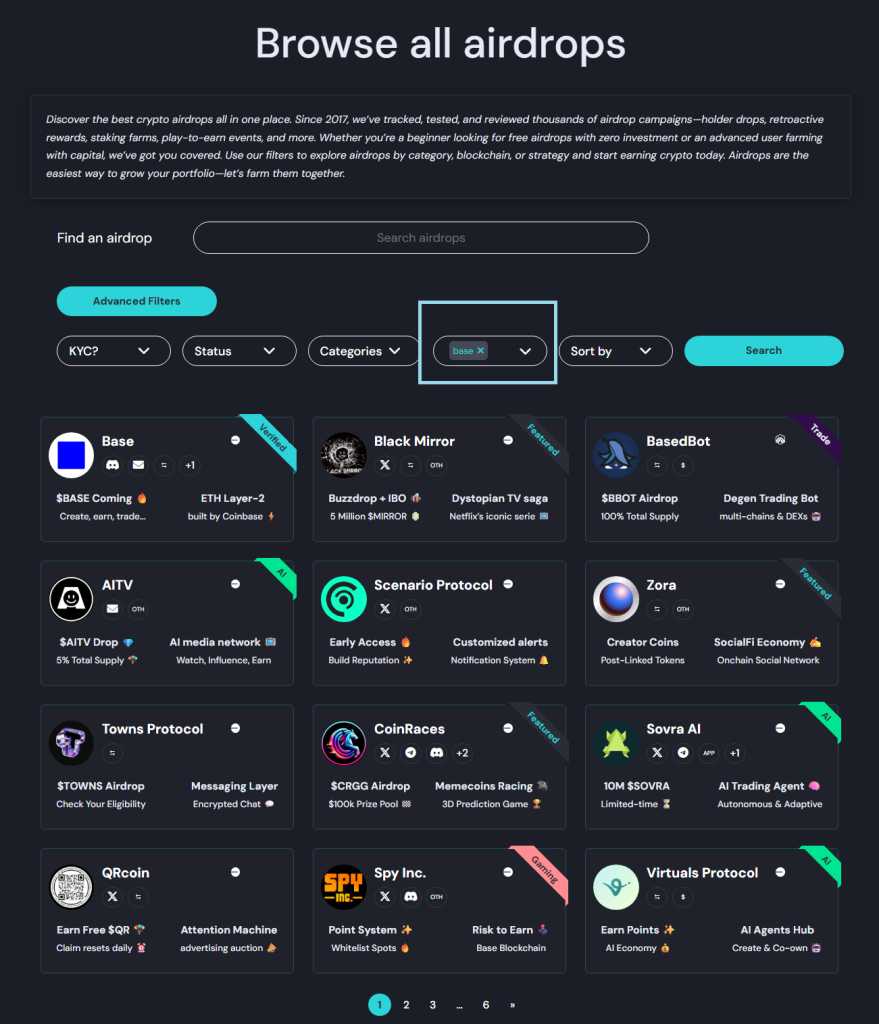
Liquidity provision is one of the most valuable activities for airdrop eligibility. Deposit pairs like ETH/USDC into liquidity pools on protocols such as Aerodrome or Uniswap. This locks your capital into the ecosystem and generates fees. Even small positions count, as they demonstrate long-term commitment to the network's health rather than just short-term speculation.
Expand your footprint by using lending platforms like Aave or Moonwell. Deposit your stablecoins to earn interest, or borrow against your ETH holdings. These interactions are highly valued because they show you are using Base for complex financial operations. Ensure you repay loans promptly to maintain a clean credit history on-chain.

Finally, diversify your activity by using Base for everyday transactions. Pay for NFTs on marketplaces like Zora or OpenSea, or use stablecoins for small purchases if available. This mimics real-world utility and helps your wallet appear as a genuine user account rather than a farming bot. Consistency is key; spread these activities out over several months.
By completing these steps, you create a robust on-chain identity. Remember that consistency and diversity matter more than volume. Avoid rushing these transactions, as sudden bursts of activity can trigger anti-bot filters and reduce your eligibility.
Avoid common airdrop mistakes
Eligibility for the Base airdrop depends on consistent, verifiable on-chain activity. Users who rely on unverified tools or fail to maintain genuine engagement risk disqualification. The following pitfalls are the most common reasons participants miss out.
Using unverified bridges
Base is an Ethereum Layer-2 network by Coinbase. To participate, you must bridge assets using official or widely audited channels. Third-party bridges that promise faster transactions often lack security audits and may compromise your wallet. Always verify the bridge address against official Base documentation before initiating a transfer. Using unverified routes exposes your funds to potential loss and leaves no credible on-chain record of your activity.
Failing to maintain consistent activity
Airdrop algorithms typically reward sustained engagement over time. Users who perform a single transaction and then stop their activity are often filtered out as low-value participants. Consistency means interacting with the network regularly—whether by bridging assets, using DeFi protocols, or minting NFTs—over several months. This pattern demonstrates genuine adoption rather than opportunistic farming.
Ignoring snapshot requirements
Projects often announce specific "snapshot" periods where they record wallet balances and transaction history. Missing these windows means your activity during that time will not count toward eligibility. Check official Base announcements for these dates and ensure your wallet is active and funded during the snapshot period. Do not assume that any future activity will be retroactively included.
Over-relying on testnet activity
While testnet participation is a good way to learn the ecosystem, it rarely counts toward mainnet airdrop eligibility. Projects prioritize real value locked and actual transaction volume on the mainnet. Focus your efforts on mainnet interactions where real assets are at stake, as these carry more weight in eligibility calculations.
Verify eligibility and claims
Base has not launched its token yet, so there is no active claim window. The network is currently focused on ecosystem growth and security upgrades, such as the recent Base Azul release. Until an official announcement is made, any site asking for a "claim" is likely a scam. Your job right now is to monitor official channels and prepare your wallet for when the moment arrives.
The only reliable source for airdrop details is the official Base website and its verified social media accounts. Bookmark base.org and check it regularly. Ignore rumors from third-party aggregators or Telegram groups that promise early access. If it is not posted on base.org, it does not exist.
Ensure you are using a wallet you control, such as MetaMask or Coinbase Wallet. Do not use exchange wallets for claiming, as you cannot transfer tokens away from them. Verify that your wallet address matches the one you used to interact with Base. Keep a small amount of ETH in the wallet to cover gas fees, which will be required to process the claim transaction.
When the airdrop is announced, Base will provide a single official claim portal. Never click links in DMs, emails, or random tweets. Scammers create fake claim sites that look identical to the real one to steal your private keys. Always double-check the URL in your browser address bar before connecting your wallet.
Base Airdrop 2026 FAQ
Understanding the mechanics of the Base airdrop and the current trading status of the BASE token helps you prepare your wallet strategy.
No comments yet. Be the first to share your thoughts!