Is the Base airdrop confirmed?
As of early 2026, there is no official confirmation that Coinbase’s Base network will launch a token or distribute an airdrop. While Base remains one of the most active Layer 2 ecosystems, the project has not released a token generation event (TGE) date, nor has it published eligibility criteria for potential rewards.
The confusion often stems from statements made by Base creator Jesse Pollak. In September 2025, Pollak confirmed that the team is "exploring a network token," but he stopped short of guaranteeing a launch. No timeline, allocation details, or specific requirements for users have been released by the Base team or Coinbase.
Many guides online suggest completing "tasks" to boost eligibility, but these are speculative strategies based on common airdrop patterns from other projects. Without an official announcement, there is no verified way to guarantee a reward. Treat any current activity on Base as experimental, and never invest funds you cannot afford to lose in anticipation of a potential airdrop.
How to prepare your wallet for Base
Base has not confirmed a token launch or an airdrop. In September 2025, the team stated they are exploring a network token, but no timeline, allocation, or eligibility criteria have been released. Because the reward structure is speculative, the goal is simply to establish a history of active usage on the network. This approach is often called "farming" in the community, though it carries financial risk.
To position your wallet, you need to move assets onto the Base chain and interact with its decentralized applications. This section outlines the concrete steps to bridge funds and engage with the ecosystem.

You need a non-custodial wallet to interact with Base. MetaMask is the most widely supported option for bridging and DeFi interactions. Ensure your wallet is backed up securely, as losing your seed phrase means losing access to your funds on the chain. Avoid using exchange accounts for this process, as on-chain activity is what potential airdrop criteria typically track.
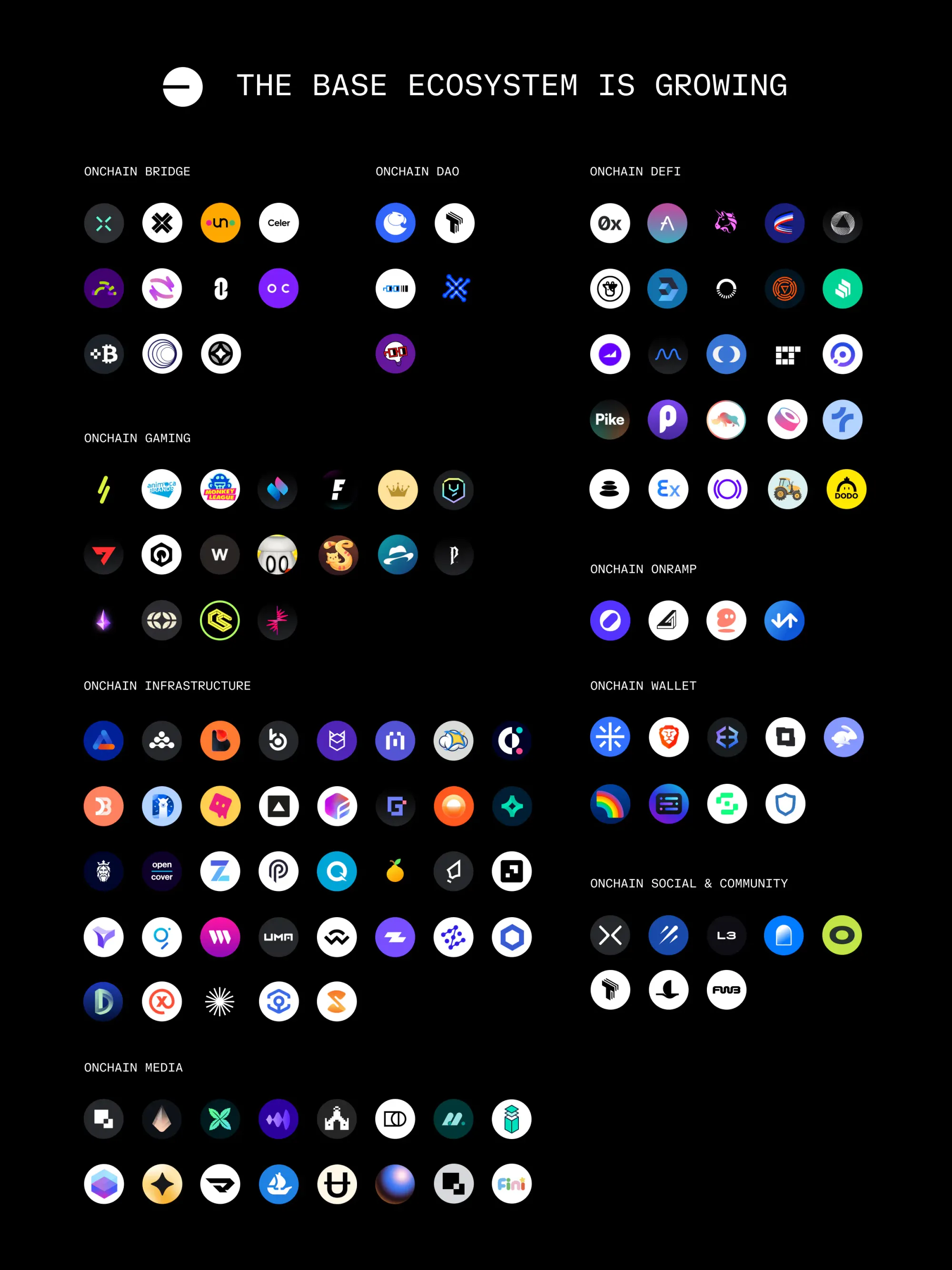
Use the official Base Bridge to move Ethereum from the mainnet to the Base network. This is the primary on-ramp for most users. You can also use third-party bridges like Uniswap or official Coinbase bridges, but always verify the URL to avoid phishing sites. Bridge a small amount of ETH to cover transaction fees (gas) on Base.
Once your ETH is on Base, swap it for another token like USDC or WETH using a decentralized exchange like Aerodrome or Uniswap. This creates a "swap" transaction on your wallet history, which is a basic metric for on-chain activity. Regular swaps demonstrate active participation in the ecosystem's liquidity.
Interacting with lending protocols like Compound or providing liquidity on Aerodrome adds depth to your wallet's history. These actions require multiple transactions and lock up assets, signaling long-term engagement. However, smart contract risk is real; only deposit funds you are prepared to lose.
Engage with NFT marketplaces, gaming platforms, or social apps built on Base. The more diverse your interactions, the more "real user" your wallet appears. Avoid bot-like behavior; spread out your transactions over weeks or months rather than executing them all in one day.
The cost of bridging and interacting on Base is significantly lower than on Ethereum mainnet, making it feasible to test these steps with small amounts. However, remember that no amount of activity guarantees a reward if no token is ever issued. Treat all capital deployed on Base as high-risk speculation.


As an Amazon Associate, we may earn from qualifying purchases.
Top Base ecosystem projects to watch
While the Base team has confirmed it is exploring a network token, no official airdrop or token launch has been announced. The current strategy for positioning a wallet relies on interacting with high-activity protocols that define the ecosystem's utility. By engaging with these platforms, you align your on-chain footprint with the projects most likely to benefit from or contribute to a future Base token narrative.
| Protocol | Category | Airdrop Signal |
|---|---|---|
| Uniswap V3 | DEX | High volume on Base; established governance token |
| Aerodrome | Ve(3,3) DEX | Core liquidity layer for Base; high TVL |
| BaseN | NFT Marketplace | Native marketplace with active trading volume |
| Compound | Lending | Established lending market with Base deployment |
Uniswap remains the dominant decentralized exchange on Base. Its high trading volume and established governance structure make it a primary candidate for ecosystem rewards. Aerodrome, the leading ve(3,3) DEX on Base, controls a significant portion of the chain's liquidity. Its tokenomics are designed to incentivize long-term liquidity provision, which often correlates with airdrop eligibility in similar models.
NFT activity is also a key metric for Base. BaseN serves as the native marketplace for this activity, offering a direct way to engage with the ecosystem's creative sector. For lending exposure, Compound's deployment on Base allows users to supply assets and earn yield while contributing to the chain's DeFi depth. These interactions create the on-chain history that airdrop hunters typically track.
Remember that participation in these protocols carries risk. Smart contract vulnerabilities and market volatility are inherent to DeFi. Always verify contract addresses through official sources and never invest more than you can afford to lose. The potential for rewards is speculative and not guaranteed by any official announcement.
Security risks in airdrop hunting
The anticipation surrounding the Base airdrop has created a fertile ground for bad actors. Because Coinbase has not yet confirmed a token launch or distribution timeline, any site claiming to offer immediate "Base Airdrop Claims" is almost certainly a scam. These phishing operations are designed to trick users into connecting their wallets to malicious contracts, draining assets under the guise of claiming unearned rewards.
Beyond fake claim sites, airdrop hunters face significant risks from malicious smart contract approvals. When you interact with unverified dApps to boost your on-chain activity, you may inadvertently grant unlimited spending permissions to contracts that can drain your wallet. Always review the specific permissions requested before signing a transaction, and consider using a dedicated "burner" wallet with minimal funds for experimental interactions.
To mitigate these risks, many security experts recommend using hardware wallets like the Ledger Nano X or Trezor Model T for storing significant holdings. These devices keep private keys offline, preventing phishing sites from stealing your credentials even if you accidentally connect to a malicious interface. While no method is foolproof, treating every airdrop interaction as a potential threat is the safest approach in an unconfirmed landscape.
Essential hardware for secure trading
While the Base team is still exploring a network token, the stakes for securing your assets remain high. If a distribution event occurs, the volume of transactions and interactions with decentralized finance protocols like Aerodrome could expose wallets to sophisticated phishing attempts or smart contract vulnerabilities. Relying on software-only security is often insufficient for high-value farming operations.
A hardware wallet acts as an offline vault, keeping your private keys isolated from your internet-connected computer. When you sign a transaction to bridge ETH or interact with a dApp, the device physically confirms the action on its screen. This prevents malware on your PC from silently redirecting funds to a malicious address. For anyone positioning a wallet for potential rewards, this physical layer of verification is the standard for risk management.
The Ledger Nano X and Trezor Safe 3 are widely recognized as reliable options for managing multiple chains, including Base’s Ethereum Virtual Machine compatibility. These devices support the ERC-20 tokens likely to be involved in any Base ecosystem activity. Below are some popular hardware security tools to consider for your setup.


As an Amazon Associate, we may earn from qualifying purchases.
It is important to remember that no airdrop has been officially confirmed. The team stated in September 2025 that they are exploring a network token, but no timeline or eligibility criteria have been released. Treat your hardware investment as protection for your existing capital and farming positions, rather than a guarantee of future reward.
Frequently asked questions about Base
Is the Base airdrop confirmed? No official Base token or airdrop has been announced. In September 2025, the team confirmed they are exploring a network token, but no timeline, allocation, or eligibility criteria have been released. Treat any claims of an imminent launch as speculation.
What is the upcoming AirDrop in 2026? Upcoming in 2026: Polymarket, Backpack, MetaMask, and Base are among the most anticipated potential airdrops. While Base is frequently mentioned in these lists, it remains unconfirmed alongside others that may not materialize.
How do I position my wallet for a potential Base reward? Since eligibility criteria are unknown, focus on consistent, organic usage of the Base network. Avoid botting or artificial inflation, as projects typically filter out suspicious activity. Use Base for legitimate transactions and interactions with dApps to demonstrate genuine network participation.
No comments yet. Be the first to share your thoughts!