Why base airdrop 2026 matters now
The Base ecosystem has expanded at a pace that demands immediate attention. As Coinbase’s Ethereum Layer-2 network, Base is positioning itself as the blockchain for global finance, offering developers and users a low-cost, high-speed environment. The urgency for participants stems from a specific window of opportunity: the network is currently large and active, yet the official token has not been confirmed for launch. This pre-TGE (Token Generation Event) status is what creates the potential for significant airdrop rewards.
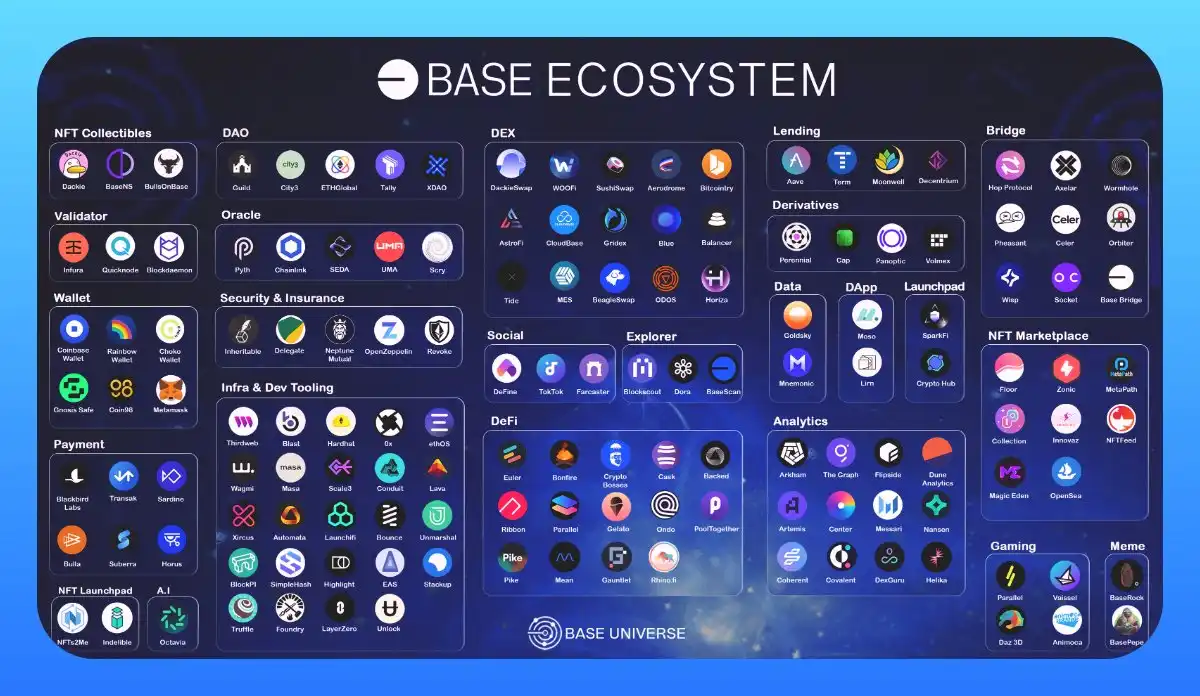
Participation is not just about bridging assets; it involves meaningful interaction with DeFi protocols, NFT marketplaces, and community governance structures on the network. Projects like Aave, Aerodrome, and Uniswap have already built robust infrastructures on Base, creating multiple layers of potential reward mechanisms. As the network matures, the definition of "qualifying activity" will likely become stricter, making current actions critical for future eligibility.
The 2026 timeline is particularly significant because it aligns with broader market cycles and regulatory clarity that may encourage Coinbase to finalize the token launch. Waiting until after the token is live often means missing the primary distribution phase, where rewards are highest and costs are lowest. Understanding the mechanics of potential airdrops—such as snapshot dates and retroactive rewards—is essential for maximizing returns.
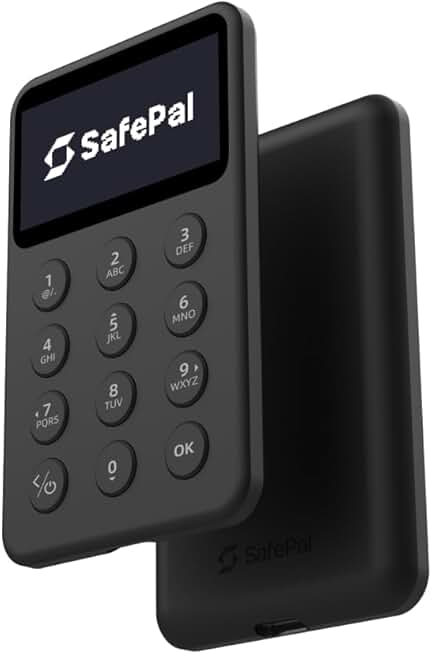
Security remains paramount as you navigate these opportunities. Interacting with new contracts and bridging assets introduces risks that can jeopardize your holdings. Using dedicated wallets and verifying contract addresses are non-negotiable steps. The following tools can help secure your assets while you explore the Base ecosystem.


As an Amazon Associate, we may earn from qualifying purchases.
7 Base Airdrop 2026 Projects to Watch for High-Potential Rewards
Navigating the Base ecosystem requires precision, as the 2026 airdrop landscape demands strict adherence to official eligibility criteria to secure high-potential rewards. This roundup identifies seven distinct protocols poised for distribution, emphasizing verified on-chain activity over speculation. For participants managing significant exposure, securing assets with a dedicated hardware wallet from the recommended Amazon selection is a critical first step in risk mitigation.
-

Aerodrome Finance liquidity incentives
Aerodrome dominates Base’s decentralized exchange landscape by combining concentrated liquidity with ve(3,3) tokenomics. Liquidity providers earn dual rewards through trading fees and AERO emissions, creating a powerful flywheel effect. Users can stake veAERO to boost yields and vote on incentive distributions. This model has consistently drawn deep liquidity, making it a primary candidate for future airdrop eligibility based on sustained volume and active participation. -
Moonwell integrated lending rewards
Moonwell offers a composable lending protocol optimized for Base, allowing users to supply assets and borrow against them. Recent integrations with native Base assets have increased total value locked significantly. Participants earn MELL tokens as rewards for supplying liquidity, with potential for additional governance incentives. The protocol’s focus on capital efficiency and cross-chain compatibility makes it a strong contender for early airdrop consideration in the 2026 cycle. -

Uniswap V3 Base pool activity
Uniswap V3 brings concentrated liquidity to Base, enabling traders to provide capital within specific price ranges. This efficiency attracts high-frequency traders and deepens market depth for major pairs. While Uniswap has not officially announced a Base-specific airdrop, active liquidity provision and fee accumulation remain key metrics for potential future rewards. Users should monitor pool performance and engagement levels to assess eligibility for any upcoming incentive programs. -

Compound V3 Base deployment
Compound V3 introduces isolated markets on Base, enhancing risk management through compartmentalized collateral pools. This architecture allows for safer lending practices while maintaining high capital efficiency. Early adopters who supply or borrow assets in these isolated markets may qualify for governance token distributions. The protocol’s reputation for security and its strategic expansion to Base position it as a foundational layer for DeFi users seeking stable yield opportunities. -

Synthetix perps on Base
Synthetix extends its perpetual futures trading platform to Base, offering low-cost, high-leverage trading with minimal slippage. Traders can earn SNX rewards by providing liquidity to perps pools or staking their tokens. The integration leverages Base’s scalability to support complex derivatives without compromising speed. Active participation in these perps markets could unlock significant airdrop potential, especially as Synthetix expands its ecosystem and rewards early Base adopters. -

Base native DeFi protocol launches
New decentralized finance protocols launching directly on Base offer early access opportunities. Users can provide liquidity or test new trading mechanisms before token generation events. Engaging with fresh infrastructure often yields higher reward multipliers than established networks. Always verify official announcements to ensure eligibility for potential airdrops from these emerging ecosystems. -
Hardware wallets for secure storage
Securing airdropped assets requires robust hardware solutions like Ledger or Trezor devices. These offline wallets protect private keys from digital threats during storage. Integrating a hardware wallet ensures your rewards remain safe from exchange failures or phishing attacks. Prioritize reputable brands to maintain control over your digital assets throughout the holding period.
Base Native Token Speculation
The prospect of a Base native token remains the central narrative driving interest in the Coinbase Layer-2 ecosystem. While Coinbase has not officially confirmed a launch date or distribution mechanics, market prediction platforms like Polymarket have actively traded on the likelihood of a token event, with specific markets resolving based on whether an airdrop occurs within defined timeframes.
Speculation centers on how Coinbase might distribute tokens to early adopters. Industry analysis suggests that airdrops typically reward meaningful on-chain activity. This could include bridging assets from Ethereum, providing liquidity to DeFi protocols, minting NFTs, or building applications directly on the Base network. The goal is to incentivize deep ecosystem engagement rather than simple wallet creation.
Investors are currently monitoring on-chain data to identify patterns similar to previous successful Layer-2 airdrops, such as Arbitrum. Projects that demonstrate sustained user growth and transaction volume on Base are often viewed as having higher potential to participate in any future token distribution. The uncertainty of timing means that participation is largely speculative, with no guaranteed returns.


As an Amazon Associate, we may earn from qualifying purchases.
How to prepare your wallet safely
Before interacting with Base protocols, securing your digital assets is non-negotiable. A compromised wallet can erase your eligibility for future rewards and result in permanent loss of funds. Follow this checklist to harden your security posture and interact with the Base network without exposing your private keys to scams or exploits.

Write your 12 or 24-word recovery phrase on paper and store it in a physical safe. Never store it digitally in cloud notes, screenshots, or text files. If you lose access to your wallet, this paper copy is the only way to recover your funds.

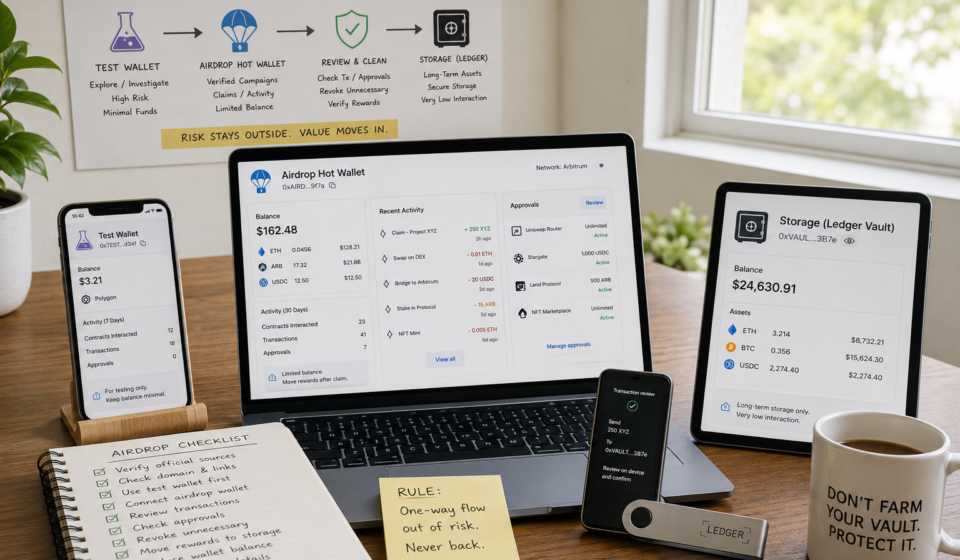
Keep the majority of your assets in a hardware wallet like a Ledger or Trezor. These devices sign transactions offline, ensuring that even if your computer is infected with malware, your private keys remain secure and inaccessible to attackers.

Always double-check smart contract addresses on official project websites or verified explorers like BaseScan. Phishing sites often mimic legitimate dApps with slight URL variations. Never click links from DMs or unverified social media posts.
Create a new, empty wallet specifically for interacting with Base airdrops and new protocols. This "burner" wallet isolates your main holdings from potential smart contract risks or malicious approvals associated with new, unaudited dApps.
Regularly check and revoke token approvals for protocols you no longer use using tools like Revoke.cash. Excessive approvals allow smart contracts to drain your wallet if they are compromised or if you interact with a malicious contract.
For users prioritizing physical security, investing in a reputable hardware wallet is the most effective step. These devices provide a tangible barrier against remote hacking attempts, ensuring your Base airdrop eligibility remains intact.


As an Amazon Associate, we may earn from qualifying purchases.
Frequently asked: what to check next


As an Amazon Associate, we may earn from qualifying purchases.
No comments yet. Be the first to share your thoughts!