Why Base Is the Airdrop Focus for 2026
Base has emerged as the primary target for airdrop hunters in 2026, driven by a combination of Coinbase’s institutional backing and a massive, active user base. Unlike many Layer-2 networks that have already launched tokens, Base remains without a confirmed token generation event (TGE). This absence of a native token creates significant scarcity value, as the protocol has accumulated substantial transaction volume and user engagement without distributing equity to early participants.
The network’s scale is undeniable. Base has surpassed $10 billion in total value locked (TVL), making it the most active Ethereum Layer-2 for user engagement. This liquidity is not static; it flows through high-velocity DeFi protocols like Aerodrome and Uniswap, which serve as the primary infrastructure for on-chain trading. The sheer volume of activity on these platforms signals that the ecosystem is mature enough to warrant a token launch, yet the window to participate before such an event is narrowing.
For airdrop farmers, this dynamic presents a high-stakes opportunity. The probability of a Base token distribution is high, but the competition is fierce. Success requires strategic engagement with the ecosystem’s core components rather than passive holding. Users must understand the network’s specific mechanics, such as bridging assets and interacting with its leading decentralized exchanges, to establish meaningful participation records. The risk of missing out on a potential distribution is significant, given the capital already committed to the network.
Security is paramount when engaging with these opportunities. The high value of potential rewards attracts sophisticated actors, making the protection of private keys and wallet credentials essential. Before engaging with any Base-based protocol, ensure you are using a dedicated hardware wallet to isolate your assets from potential smart contract risks. The following section outlines the essential tools and specific protocols you need to secure your position in this high-value ecosystem.


As an Amazon Associate, we may earn from qualifying purchases.
5 Base Airdrop Opportunities to Watch in 2026
As the Base ecosystem matures, protocols like Aerodrome and Uniswap are positioning themselves as potential sources of future token distributions, but managing these opportunities requires rigorous risk management. This section outlines five specific projects to monitor, emphasizing strategic allocation and security measures—such as using dedicated hardware wallets—to mitigate the high-stakes nature of airdrop farming.
-

Aerodrome Finance: The Liquidity Hub
Aerodrome dominates Base’s decentralized exchange landscape by combining concentrated liquidity with ve(3,3) mechanics. Users provide liquidity to earn AERO rewards, but the real value lies in voting power that directs emission incentives. This creates a flywheel effect where active liquidity providers capture significant trading fees and token incentives. The protocol’s deep liquidity reduces slippage, making it the primary destination for Base-native trading activity. -

Uniswap V3 on Base: Trading Volume Leader
Uniswap V3 remains the heavyweight champion of trading volume on Base, offering precise capital efficiency through concentrated positions. While it may not have launched a native token yet, its sheer volume makes it a critical node in the ecosystem. Early adopters who provided liquidity during its Base deployment might benefit from future governance or fee-sharing mechanisms. The high transaction count signals strong user demand, positioning it as a foundational layer for any potential airdrop distribution tied to protocol usage. -

Base L2 Network Token: The Coinbase Play
The most anticipated event is a potential token launch from Coinbase’s Base layer-2 network itself. Unlike app-specific airdrops, this would reward early infrastructure users and developers building on the chain. Coinbase has hinted at community incentives, suggesting a broad distribution model rather than a traditional VC-led token sale. Engaging with Base dApps, bridging assets, and participating in governance discussions could position users favorably for this high-stakes, ecosystem-wide opportunity. -

Layer3 and Galxe: Quest Completion Rewards
Aggregators like Layer3 and Galxe streamline airdrop farming by converting complex on-chain actions into simple quests. These platforms track your interactions with Base protocols, ensuring you don’t miss eligibility criteria for multiple projects simultaneously. By completing quests related to Aerodrome, Uniswap, or new launches, users accumulate points that often convert to token rewards. This methodical approach reduces the risk of missing out due to fragmented information across different protocol websites. -
Pendle Finance: Yield Trading on Base
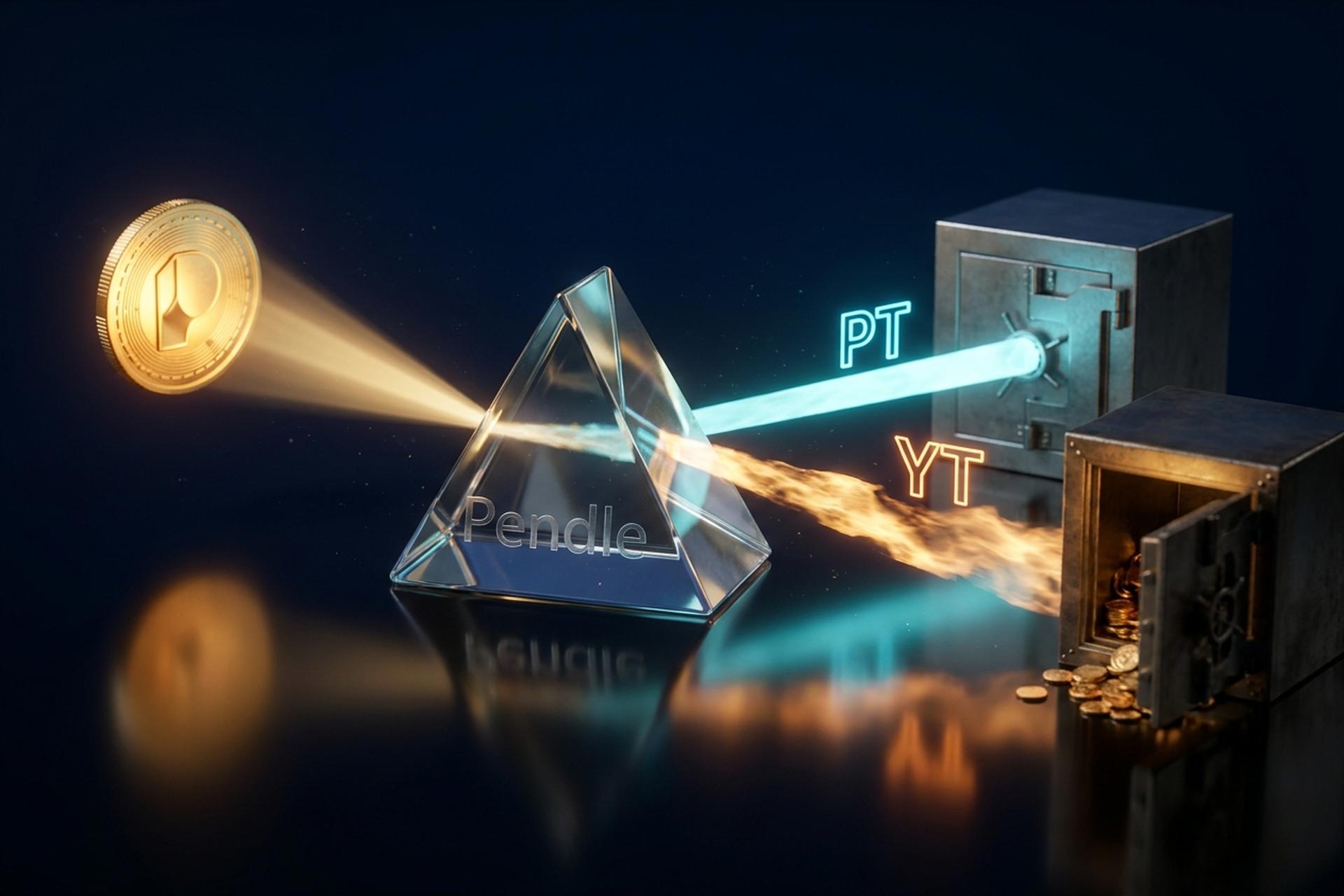
Pendle introduces sophisticated yield trading by tokenizing future yield streams into Principal Tokens and Yield Tokens. This innovation attracts sophisticated DeFi users seeking to hedge or speculate on Base-based yields. Early users who interacted with Pendle’s Base deployment may be eligible for rewards, given its unique value proposition in the DeFi stack. The protocol’s technical complexity and niche appeal suggest a targeted airdrop to its most engaged liquidity providers and traders.
How to Prepare for a Base Airdrop
Positioning yourself for a potential Base airdrop requires treating your wallet like a reputation ledger. The goal isn't to farm every possible interaction, but to demonstrate genuine, sustained utility on the network. Most protocols reward users who act like organic participants, not bots.
Secure Your Assets First
Before you interact with any dApp, ensure your private keys are cold. A single malicious signature can drain your funds and blacklist your address from future rewards. Use a hardware wallet to sign transactions, keeping your seed phrase offline and inaccessible to web-based threats.


As an Amazon Associate, we may earn from qualifying purchases.
Bridge Assets to Base
You need ETH on Base to pay for gas fees. Use a trusted bridge like the official Coinbase Bridge or a reputable aggregator such as Hop Protocol to move assets from Ethereum mainnet to Base. Avoid unverified bridge interfaces that mimic legitimate services; always double-check the URL.
Install a Web3 wallet like MetaMask or Rabby. Add the Base network manually using the official RPC details from base.org. Fund your wallet with a small amount of ETH to cover initial transaction costs. This is your entry ticket to the ecosystem.

Navigate to the official Coinbase Bridge or a verified aggregator. Connect your wallet and transfer a modest amount of ETH (e.g., $50-$100) to the Base network. Verify the destination address is on the Base chain. This capital will be used for gas fees during protocol interactions.

Engage with established DeFi protocols like Aerodrome Finance or Uniswap. Swap tokens, provide liquidity, or stake assets. Focus on consistency over volume. A few well-spaced interactions over several months carry more weight than a single large transaction. Avoid interacting with unknown or high-yield farming contracts that may be scams.

Participate in governance discussions, vote on proposals, or contribute to community channels. Some protocols reward active community members. This demonstrates long-term commitment and helps distinguish you from sybil attackers who only care about token distribution.
Avoid Common Pitfalls
Never share your seed phrase or private key. Beware of "airdrop claim" sites that ask for upfront fees; legitimate airdrops deduct gas from your wallet balance automatically. Use a separate wallet for airdrop farming to isolate risk from your main holdings.
Common Questions About Base Airdrops
The Base airdrop remains one of the most anticipated events in 2026, yet the mechanics are still unconfirmed. Because the token has not yet launched (TGE), any claims of guaranteed rewards are speculative. Participation requires active engagement with the ecosystem rather than passive holding.
How will a Base airdrop work?
The potential distribution targets users who demonstrate meaningful participation on the Ethereum Layer-2 network. This likely includes bridging assets, using DeFi protocols like Aerodrome or Uniswap, minting NFTs, and contributing to the community. The goal is to reward long-term utility over short-term farming.
Can I farm the Base airdrop with a hardware wallet?
Yes, using a hardware wallet is the safest way to interact with Base. It keeps your private keys offline while allowing you to sign transactions on the network. Security is paramount, as airdrop farming involves interacting with unverified smart contracts.


As an Amazon Associate, we may earn from qualifying purchases.
Is the Base airdrop confirmed for 2026?
No. Coinbase has not officially announced a token launch or distribution schedule. While the ecosystem is large, the absence of a confirmed token means there is no guarantee of value. Treat any participation as experimental rather than an investment.
What is the cost of participating in Base?
You will need ETH on the Base network to pay for gas fees. While these fees are significantly lower than Ethereum mainnet, they are not zero. Active users may spend several dollars monthly on transactions, which adds up over time without any guaranteed return.
No comments yet. Be the first to share your thoughts!