Base airdrop 2026: What to expect
The Base airdrop refers to the potential distribution of the upcoming Base token to users who actively engage with the Coinbase Layer-2 network. Rather than rewarding simple wallet creation, the drop will likely prioritize meaningful participation—such as bridging assets, using DeFi protocols, minting NFTs, and contributing to the community.
To identify the most promising opportunities, we evaluated projects based on their on-chain activity, community engagement, and alignment with Base’s ecosystem growth. We focused on initiatives that demonstrate genuine utility and sustained user interest, filtering out low-effort farms.
The following five projects represent the strongest candidates for early opportunities in 2026. They have shown consistent development, active user bases, and clear pathways to tokenization.
5 Base Airdrops to Watch in 2026: Early Opportunities on Coinbase's L2
Coinbase’s Base L2 is shifting from a speculative experiment to a high-activity ecosystem, creating tangible opportunities for early participants. This section identifies five specific projects positioned to reward early users in 2026, focusing on concrete mechanics and verifiable on-chain activity rather than abstract hype.
1. Monad testnet participation strategies
Engage with the Monad testnet by deploying contracts and executing transactions to build on-chain activity history. Focus on consistent daily interactions rather than sporadic bursts, as protocols often prioritize sustained usage. Utilize testnet faucets to acquire $MON tokens for gas, ensuring you can perform swaps and bridge operations without interruption during the active testing phase.

2. Berachain liquidity provision tactics
Provide liquidity to Berachain’s native DEX pools, specifically targeting pairs with high volume to maximize fee accumulation. Staking BERA tokens in liquidity pools can enhance your position, as the Proof-of-Liquidity consensus rewards active market makers. Ensure your liquidity is impermanent loss protected by choosing stablecoin pairs or correlated assets to maintain capital efficiency while participating in the ecosystem.

3. Scroll mainnet bridge usage guide
Bridge assets from Ethereum mainnet to Scroll using official bridges to establish a transaction history on the Layer 2 network. Perform multiple distinct transactions, such as swaps, mints, or NFT transfers, to demonstrate active usage rather than simple holding. Regularly check for bridge incentives or campaigns that may offer additional points or token rewards for early adopters moving capital to the Scroll ecosystem.

4. Linea point accumulation methods
Accumulate Linea Points by interacting with integrated DeFi protocols like SyncSwap or Nile Exchange. Every transaction, including swaps and liquidity provision, contributes to your point balance, which may translate into future airdrop eligibility. Maintain a consistent interaction schedule across multiple months to satisfy potential retention criteria, ensuring your wallet shows a pattern of genuine user engagement rather than bot-like behavior.

5. ZKsync era interaction checklist
Complete a checklist of interactions on ZKsync Era, including bridging ETH, swapping tokens on Velodrome, and minting NFTs. Verify that your transactions are confirmed on the ZKsync block explorer to ensure they are recorded correctly. Engage with multiple dApps within the ecosystem to diversify your activity profile, as protocols often reward users who explore various applications rather than sticking to a single service.
Pick the right fit
Choosing a Base airdrop candidate requires balancing risk against the likelihood of a token generation event (TGE). Not every project on Coinbase’s Layer 2 will launch a token, and participating in low-quality protocols can expose you to smart contract vulnerabilities or phishing scams. Instead of chasing every new dApp, focus on projects with established traction and clear utility.
Use this four-step checklist to evaluate potential airdrops:

Look for projects backed by reputable venture capital firms or with doxxed, experienced teams. Anonymous teams with no prior track record carry higher risk of rug pulls. Check the project’s GitHub activity and community engagement on X or Discord to gauge legitimacy.

Airdrop eligibility often correlates with genuine usage. Look for consistent daily active users (DAU), total value locked (TVL), and transaction volume. Projects with growing, organic user bases are more likely to distribute tokens to active participants rather than bots.
Review the project’s whitepaper or documentation for token utility. Avoid projects with vague plans or excessive token supply allocated to insiders. Clear utility—such as governance, fee discounts, or access to premium features—suggests a sustainable ecosystem that rewards early supporters.
Ensure the protocol has undergone third-party security audits from firms like CertiK or OpenZeppelin. Unaudited smart contracts pose a significant risk. Additionally, check if the project has bug bounty programs or insurance coverage to protect user funds in case of exploits.
| Criterion | High Potential | Low Potential |
|---|---|---|
| Team | Doxxed, experienced, VC-backed | Anonymous, no track record |
| Activity | Growing DAU and TVL | Low volume, bot-driven |
| Tokenomics | Clear utility, fair distribution | Vague plans, insider-heavy |
| Security | Audited, bug bounty | Unaudited, no insurance |



As an Amazon Associate, we may earn from qualifying purchases.
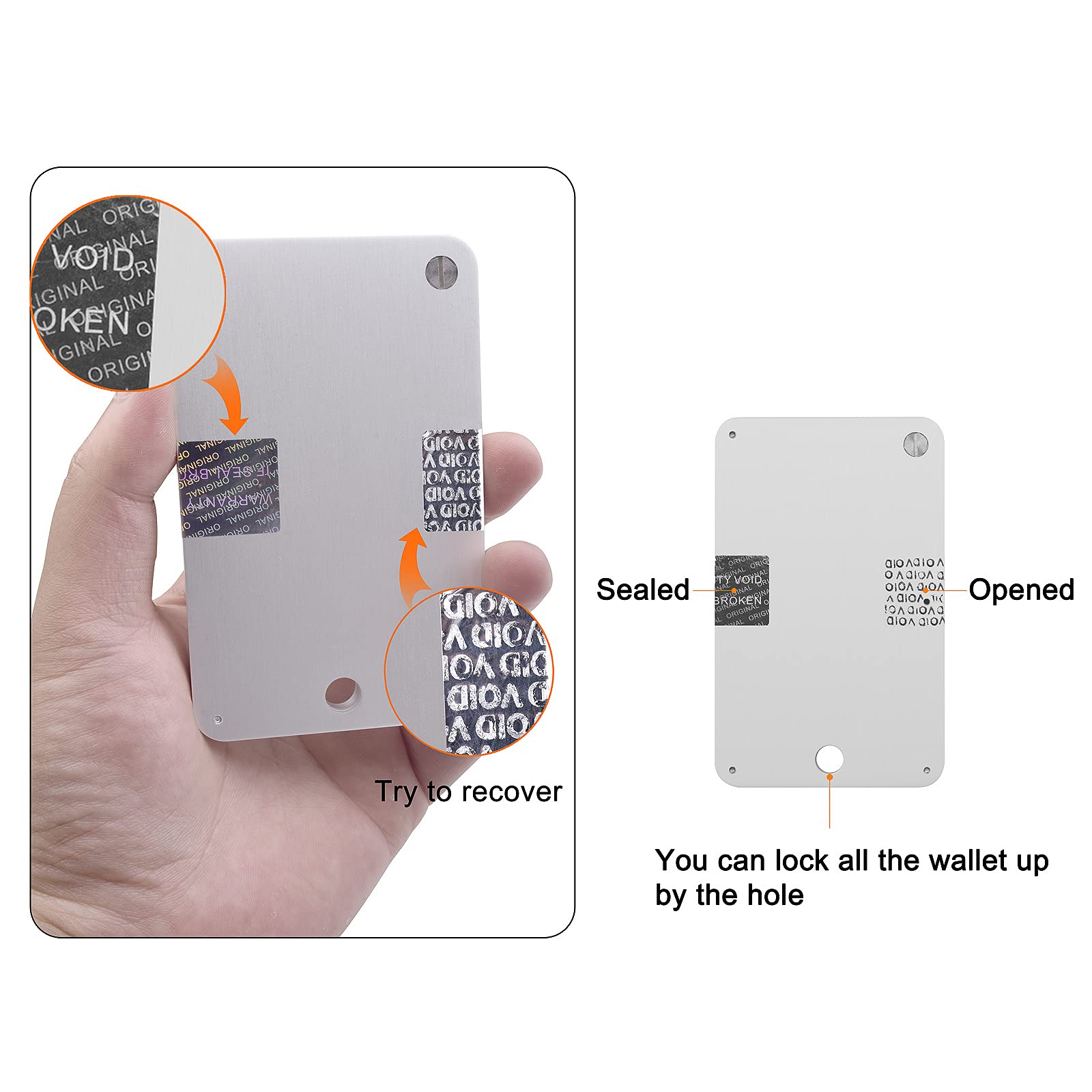
Securing your assets is paramount when interacting with new protocols. Consider using a hardware wallet to isolate your private keys from internet-connected devices. This adds a layer of protection against phishing attacks and smart contract exploits that are common in the airdrop hunting space.
FAQs on Base Airdrops in 2026
How will a Base airdrop work? The Base airdrop is the potential distribution of the upcoming Base token to users who engage with the Ethereum Layer-2 network by Coinbase. This airdrop would likely reward meaningful participation: bridging assets, using DeFi protocols, minting NFTs, building on Base, and contributing to the Base community.
Is the Base token confirmed for an airdrop? While Coinbase has not officially confirmed a token launch, the Base ecosystem’s size and activity make it a top candidate for a 2026 airdrop. Many analysts view Base as one of the best pre-TGE Web3 projects with high airdrop potential due to its strong backing and growing user base.
How do I qualify for the Base airdrop? To maximize eligibility, set up a dedicated wallet, bridge ETH to Base, swap tokens on Aerodrome, provide liquidity, and use lending protocols like Morpho. Consistent activity across these steps signals genuine engagement to the protocol.
Can I farm multiple Base airdrops at once? Yes, you can farm multiple Base ecosystem airdrops simultaneously. The Base ecosystem includes numerous projects that may distribute their own tokens. Use curated guides to track eligible tasks and manage your positions efficiently without overexposing your capital.
What are the risks of farming Base airdrops? Farming airdrops carries risks, including smart contract vulnerabilities, rug pulls, and market volatility. Always use official sources, verify contract addresses, and never share your private keys. Treat airdrop farming as speculative activity and only risk what you can afford to lose.
No comments yet. Be the first to share your thoughts!