Base airdrop 2026: How we picked the top opportunities
The 2026 crypto landscape is shifting, with Base emerging as a primary target for airdrop hunters. While Coinbase has not officially launched a token, the ecosystem's growth suggests significant potential rewards for early participants. This guide focuses on the most viable paths to qualify for these upcoming distributions.
We filtered dozens of projects to identify five distinct opportunities with the highest eligibility potential. Our selection criteria prioritized projects with active testnets, clear tokenomics rumors, and direct integration with the Base network. We avoided speculative scams and low-effort tasks, focusing instead on genuine utility and community engagement.
Expect this list to evolve as the Base token announcement approaches. We recommend bookmarking this page and checking back regularly for updates on eligibility requirements and new project launches. The window for participation is open, but it may close quickly once mainnet features are fully activated.
5 Base Layer 2 Airdrops to Watch in 2026: Exclusive Opportunities & Eligibility guide
Identifying legitimate Base Layer 2 airdrops in 2026 requires distinguishing between verified protocol incentives and speculative noise. This guide outlines five specific opportunities, detailing eligibility criteria and concrete steps to qualify based on official protocol data.
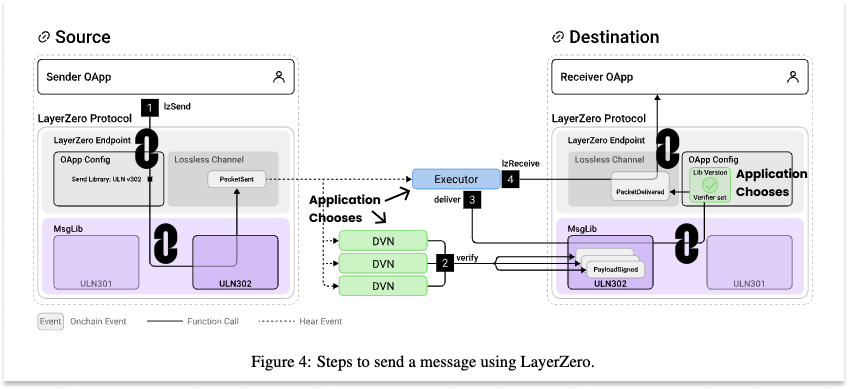
1. LayerZero cross-chain interoperability rewards
LayerZero’s omnichain infrastructure connects multiple blockchains, making it a prime candidate for rewarding early users who bridge assets across different networks. Participating in cross-chain swaps and interactions builds the on-chain history required for potential future token distributions. This strategy focuses on volume and diversity of chains used rather than single-chain staking.
2. StarkNet ecosystem participation incentives
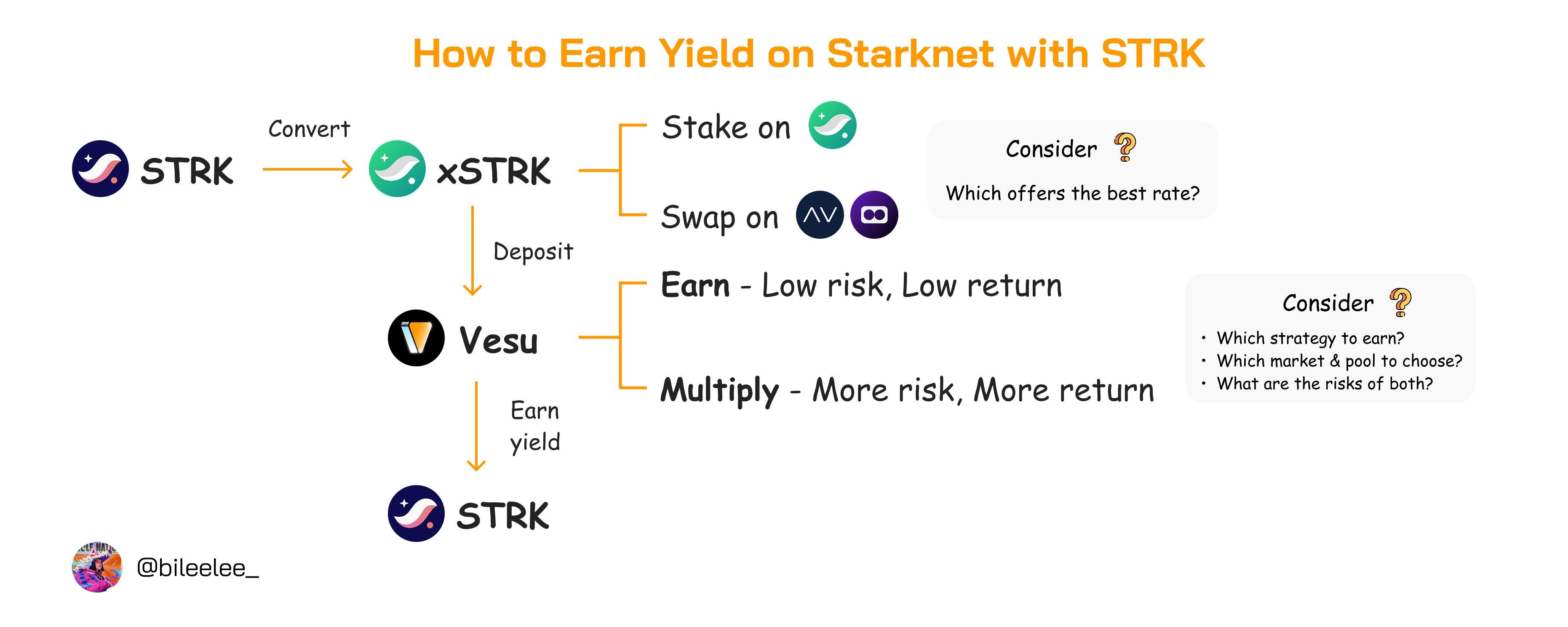
StarkNet utilizes zero-knowledge rollup technology to scale Ethereum, offering significant incentives for developers and users building within its ecosystem. Engaging with StarkNet dApps, providing liquidity, and participating in governance proposals can position you for ecosystem-specific rewards. The focus here is on active contribution to the network’s growth and utility expansion.
3. Scroll network testnet engagement benefits
Scroll is an Ethereum-compatible zero-knowledge Ethereum Virtual Machine (zkEVM) that rewards early testnet users for identifying bugs and testing performance. Engaging with Scroll’s testnet involves deploying smart contracts, bridging assets, and interacting with dApps to help refine the mainnet launch. This hands-on testing approach is a direct path to potential airdrop eligibility.
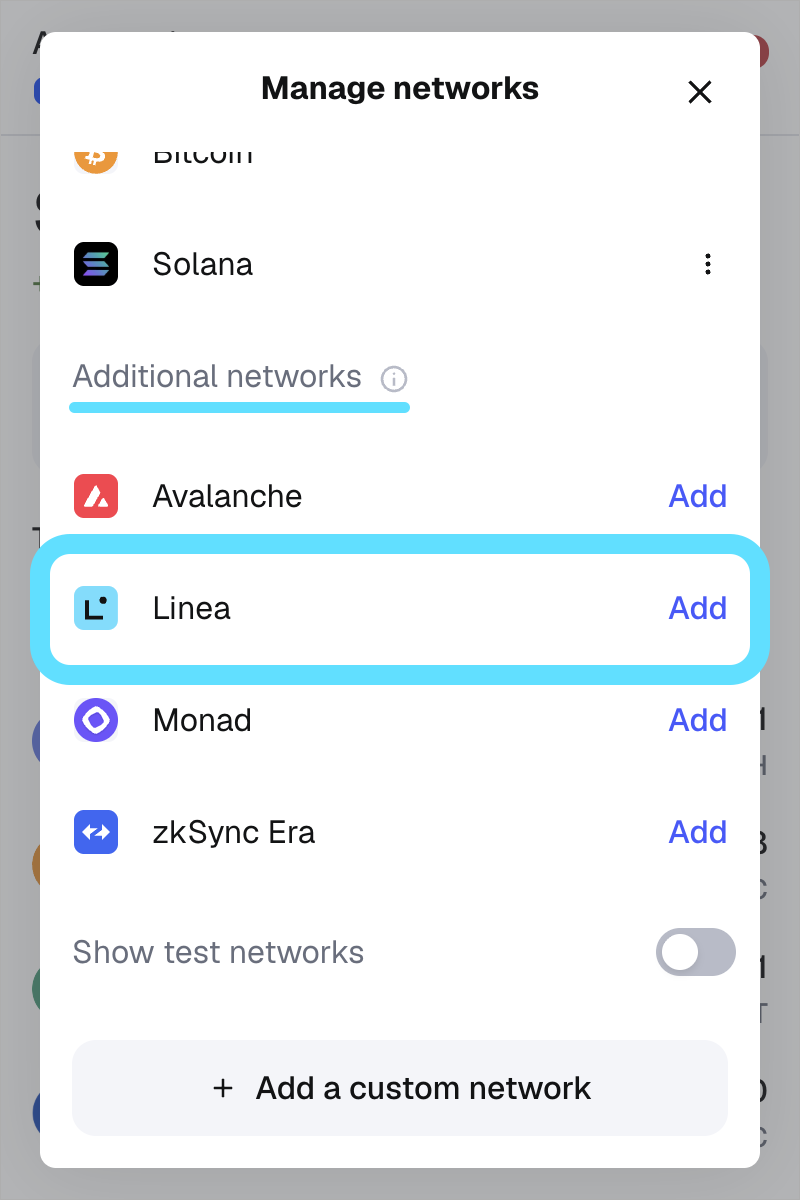
4. Linea protocol activity-based allocations
Linea, developed by ConsenSys, focuses on privacy and scalability using zkEVM technology. Users can qualify for allocations by maintaining consistent activity on the Linea network, such as bridging funds, swapping tokens, and providing liquidity. The protocol rewards sustained engagement and genuine utility usage rather than fleeting transactions.
5. Manta Network privacy layer opportunities
Manta Network provides a modular privacy layer for Ethereum, allowing users to shield transaction data while maintaining compliance. Early adopters can explore Manta’s decentralized applications, participate in community governance, and utilize its privacy features to build a strong on-chain presence. This niche focus on privacy offers distinct opportunities for those valuing data protection.
Pick the right fit
Choosing a Base airdrop requires balancing potential rewards against the time and gas costs involved. Not every protocol offers the same eligibility criteria or reward structure. Use this framework to filter the top five opportunities based on your specific resources and risk tolerance.
Check the official docs for each project. Some airdrops require holding specific NFTs or tokens, while others reward simple on-chain activity. Ensure you meet the baseline criteria before committing resources.

Calculate the total Ethereum Mainnet and Base gas fees for your intended interactions. High-frequency tasks may erode profits if the airdrop value is modest. Prioritize projects with lower interaction frequency.
Review the tokenomics for any announced vesting periods. A large airdrop amount locked for years has less immediate value than a fully liquid token. Factor this into your expected return on investment.
Look at the project’s Discord and Twitter for active development and genuine user engagement. Avoid projects with bot-heavy communities or vague roadmaps. Legitimate protocols usually have transparent communication channels.
| Project | Activity Type | Effort Level |
|---|---|---|
| Base L2 Native | Bridging & Swapping | Low |
| DeFi Protocol | Lending & Staking | Medium |
| NFT Marketplace | Minting & Trading | Medium |
| Perp Exchange | Trading Volume | High |
| SocialFi App | Content Creation | High |


As an Amazon Associate, we may earn from qualifying purchases.
No comments yet. Be the first to share your thoughts!