2026 crypto airdrops
We selected these five projects based on verified on-chain activity, community traction, and clear tokenomics. Unlike speculative presales, these initiatives have demonstrated actual usage or official roadmap commitments. We prioritized protocols with transparent distribution models and active developer engagement.
The landscape has shifted from simple "retroactive" rewards to structured participation. Early adopters often benefit from testnet interactions, liquidity provision, or governance voting. However, eligibility criteria change frequently, so we recommend checking official sources like Coinpedia or DappRadar for the latest updates.
Always verify contract addresses through official channels. Scammers often mimic legitimate airdrops. Never connect your wallet to unverified links. Treat every airdrop as a potential security risk until confirmed by the project's official announcement.


As an Amazon Associate, we may earn from qualifying purchases.
5 2026 Crypto Airdrop Calendar: Top 5 High-Yield Projects Launching This Quarter
This quarter’s 2026 crypto airdrop calendar features five high-yield projects with active on-chain requirements. We prioritize official announcements and verifiable participation metrics to help you qualify for these specific distributions without wasting gas fees.
1. LayerZero omnichain interoperability protocol airdrop
LayerZero enables seamless messaging across disconnected blockchains, making it a critical infrastructure play for 2026. Users can position for potential rewards by bridging assets through supported wallets and interacting with dApps utilizing its STMO protocol. Early engagement with cross-chain swaps and NFT transfers on compatible chains often signals eligibility for future token distributions.

2. Starknet zero-knowledge rollup network participation
Starknet leverages STARK proofs to offer high-throughput Ethereum scaling without compromising security. Participation involves using Starknet-based dApps like JediSwap or Ekubo, and holding SNX tokens for governance. Regular transaction volume and staking activity are key metrics historically correlated with airdrop eligibility in the ZK-rollup sector.

3. EigenLayer restaking and points accumulation
EigenLayer allows ETH stakers to restake their assets to secure additional "restaking" services, creating a new yield layer. Users accumulate points by providing restaked ETH to Actively Validated Services. This mechanism incentivizes long-term commitment to network security, with points potentially converting into governance tokens for emerging AVS projects.

4. Monad high-performance parallel EVM testnet
Monad offers parallelized execution for the EVM, promising extreme scalability for developers and users. Engaging with the Monad testnet involves minting testnet tokens, participating in governance votes, and deploying smart contracts. Active contributors to the testnet ecosystem often receive recognition or rewards during the mainnet launch phase.
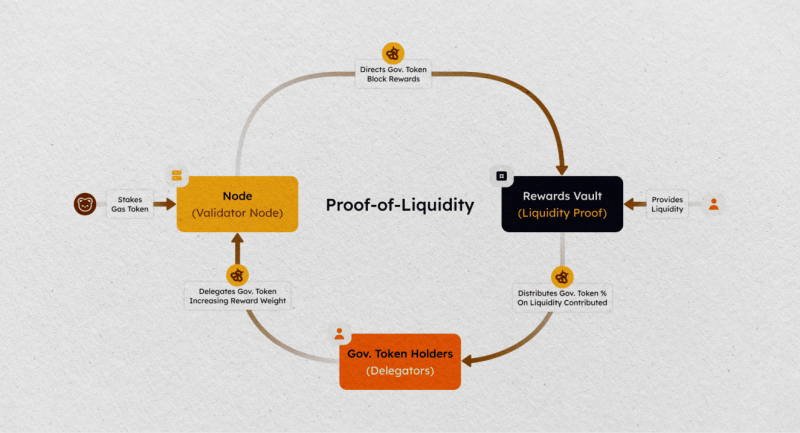
5. Berachain proof-of-liquidity consensus mechanism
Berachain introduces a novel proof-of-liquidity model, rewarding users for providing liquidity rather than just staking. Interacting with its native DEX, BEX, and lending protocol, BEND, is essential. Users should focus on maintaining liquidity positions and participating in governance proposals to align with the network's unique incentive structure.
How to pick the right airdrop
Not every free token is worth your time. Some projects reward early engagement with significant value, while others distribute tokens to wallets that already hold millions. To avoid wasting time on low-yield campaigns, use this three-step filter before you connect your wallet.
Look for projects that allocate a small percentage of the total supply to community participants. If more than 40% of tokens are reserved for insiders or venture capitalists, the price will likely drop sharply after launch. Prioritize projects with transparent vesting schedules published on their official website.
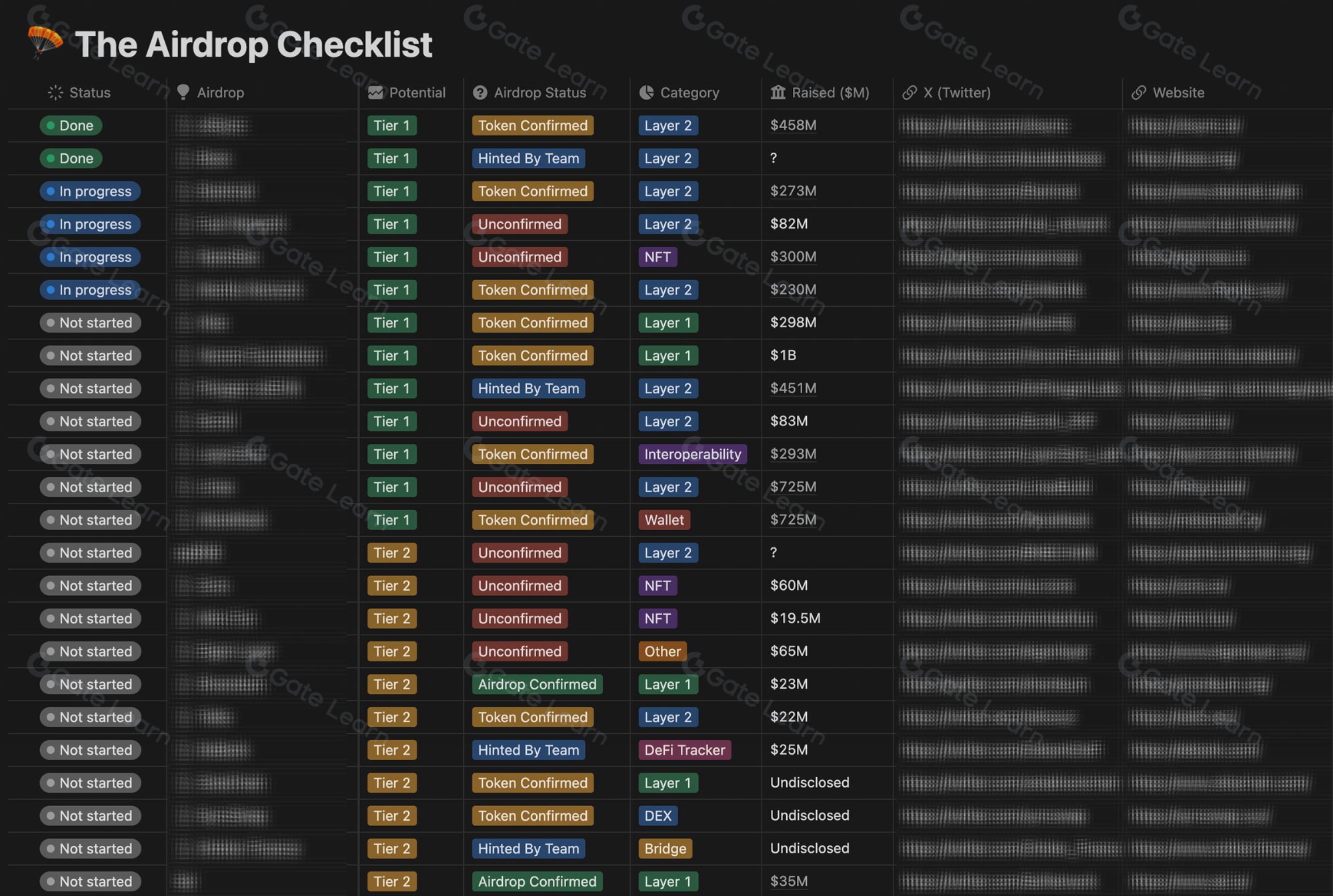
A reputable team reduces the risk of a "rug pull" or abandoned project. Check if the developers have a history of successful launches or if they are backed by established venture capital firms like a16z or Paradigm. Anonymous teams are not automatically bad, but they require extra caution.
Determine the cost of participation. Some airdrops require only a small transaction fee on a low-cost network like Solana or Base, while others demand hundreds of dollars in locked liquidity. Calculate the potential reward against the gas fees and capital required to qualify.
| Feature | High-Yield Projects | Low-Yield Projects |
|---|---|---|
| Token Allocation | < 5% to community | > 40% to insiders |
| Team Transparency | Public or verified VCs | Anonymous or unknown |
| Entry Cost | Low gas fees | High capital lockup |



As an Amazon Associate, we may earn from qualifying purchases.
A hardware wallet is not optional for serious airdrop hunters. Connecting your main wallet to random dApps exposes your funds to smart contract risks. Use a dedicated wallet with limited funds for testing new protocols.
-
Verify project website URL
-
Check for audit reports on CertiK or PeckShield
-
Ensure wallet has sufficient gas for interactions
-
Use a burner wallet for initial testing
2026 Crypto Airdrop Calendar: 5 High-Yield Projects Launching This Quarter
What is the upcoming big airdrop in 2026?
The biggest anticipated airdrops in 2026 are tied to high-activity Layer 2 solutions and modular blockchain infrastructure that have accumulated significant user bases without token launches. Projects like Arbitrum, Optimism, and newer entrants such as zkSync or Starknet often generate the highest yield events due to their substantial venture funding and complex tokenomics. Tracking these on dashboards like CryptoRank or DappRadar provides the most reliable data on potential eligibility, as these platforms verify which protocols are actively farming points or rewards.
Which crypto coin booms in 2026?
While no coin is guaranteed to boom, 2026 market trends favor protocols with real utility and active governance participation. Coins in the Solana, Ethereum L2, and Bitcoin Layer 2 ecosystems tend to see the most volatility and upside following airdrop events. Historical data shows that tokens launched after a period of intense user engagement often outperform broader market indices in the short term. However, investors should treat these tokens as high-risk assets rather than stable investments, as prices can correct sharply once early airdrop recipients sell.
How to get Solana airdrops in 2026?
To qualify for Solana airdrops, you must engage with the ecosystem’s decentralized applications (dApps) and new protocol launches. This typically involves swapping tokens on platforms like Jupiter or Raydium, providing liquidity to recognized pools, and holding specific NFT collections that grant early access. Consistency is critical; sporadic activity rarely qualifies you for retroactive rewards. Always verify the official social channels of any new Solana project before interacting, as phishing scams targeting Solana users are prevalent.
What is the biggest crypto airdrop ever?
The largest crypto airdrop in history was Uniswap’s UNI distribution in September 2020, which allocated 4% of its total supply to past users. Each eligible wallet received 400 UNI, valued at over $1,000 at the time of distribution. This event set the standard for retroactive airdrops, proving that early protocol users could be rewarded for their contribution to network growth. While future airdrops may surpass UNI in total value, they are unlikely to match its widespread impact on the DeFi landscape.
How do I avoid airdrop scams in 2026?
Scammers often impersonate legitimate airdrop projects to steal private keys or drain wallets. Never connect your wallet to unverified sites or sign transactions that request unlimited token approvals. Always double-check URLs and official announcements through verified Twitter or Discord channels. If a project asks you to send funds to claim a reward, it is a scam. Legitimate airdrops are always free to claim and require no upfront payment.
No comments yet. Be the first to share your thoughts!