
Why Base Still Matters for Airdrop Hunters
Base has emerged as the primary target for 2026 airdrop hunting, despite Coinbase not yet announcing an official token. The strategy relies on the high probability that a governance token will eventually launch, rewarding early ecosystem participants. As a Coinbase-built Layer 2 network, Base offers a secure, low-cost environment for on-chain activity, making it an ideal testing ground for new DeFi protocols and NFT projects.
The ecosystem's growth is driven by its integration with Coinbase's massive user base. Users can bridge assets directly from their Coinbase accounts, lowering the barrier to entry. This seamless onboarding has led to significant daily active wallet growth, creating a dense network of users who are likely to interact with future token distributions. The focus is on concrete actions: bridging ETH, swapping tokens, and minting assets to build a verifiable on-chain history.
In this high-stakes environment, security is paramount. Always verify official sources and avoid third-party sites claiming to offer early token sales. The value of a Base airdrop lies in the volume and consistency of your interactions, not in speculative shortcuts. By focusing on legitimate usage of the network, you position yourself to capture value when the ecosystem matures.
5 Base Airdrop Strategies for 2026: Early Access Guide
Securing early access to the Base ecosystem requires rigorous verification of official channels to mitigate high-stakes security risks. This guide outlines concrete actions—bridging, swapping, and minting—backed by primary sources to maximize your eligibility without relying on speculative metrics.
1. Bridge ETH to Base via official Superchain portal
Begin by securing your ETH on the Base network using the official Superchain bridge. This foundational step ensures your assets are positioned on the correct L2 infrastructure for eligibility tracking. Avoid third-party bridges due to heightened security risks. Verify the URL carefully to prevent phishing attacks. Once bridged, your wallet holds the native currency required for subsequent on-chain interactions and potential airdrop qualification.

2. Provide liquidity on Base-native decentralized exchanges
Deposit paired assets into liquidity pools on established Base-native DEXs like Aerodrome or Uniswap. Active liquidity provision demonstrates significant financial commitment to the ecosystem, a key metric for many airdrop algorithms. Ensure you select stable, high-volume pools to minimize impermanent loss risks. Regularly monitor your position to maintain eligibility. This strategy directly contributes to network depth and decentralization, often rewarded by project teams.

3. Mint and hold Base NFTs for eligibility
Acquire and retain NFTs deployed on the Base chain, particularly those from projects with known airdrop histories. Holding these digital assets signals long-term engagement and community support. Focus on established collections rather than speculative meme coins to reduce risk. Verify contract addresses through official project channels to avoid scams. Consistent holding periods often weigh heavily in distribution calculations, making patience a critical component of this strategy.

4. Use Base-based lending protocols for volume
Deposit assets into reputable Base lending protocols such as Compound or Aave to generate lending volume. This activity demonstrates utility and economic participation within the ecosystem. Borrowing against these deposits can further increase transaction counts, though it carries liquidation risks. Always use official protocol interfaces and verify smart contract interactions. High lending volume is frequently correlated with airdrop eligibility, making it a potent strategy for active users.

5. Maintain consistent wallet activity on Base chain
Execute regular, diverse transactions on Base to maintain a healthy activity score. Swap tokens, interact with dApps, and send small transfers to various addresses. Consistency matters more than volume; weekly activity is preferable to sporadic bursts. Avoid bot-like patterns that may trigger anti-sybil measures. Use official explorers to verify transaction success. A clean, active transaction history is often the primary filter for airdrop distributions, ensuring you remain eligible for rewards.

Bridge ETH and Hold on Base
The foundational step for any Base airdrop strategy is establishing an on-chain presence. This begins by moving Ethereum from its native chain to Base. While centralized exchanges offer internal transfers, interacting with the official Base Bridge is the standard for proving independent wallet activity. This action creates a verifiable history of asset movement, which is often the primary signal for protocol eligibility.
When bridging, you must connect a non-custodial wallet such as MetaMask or Rabby. Navigate to the official Base Bridge interface via base.org to ensure you are using the correct smart contract. Avoid third-party aggregators for this initial transfer unless you are experienced in managing slippage and approval risks. The goal is to land ETH on Base L2 with a clean transaction history.
Once your assets arrive, do not immediately sell or lend them. Airdrop hunters often make the mistake of moving funds quickly to maximize yield. Instead, hold the ETH in your wallet. This "dormant" state demonstrates long-term commitment rather than speculative arbitrage. Over the following weeks, perform low-value interactions such as swapping small amounts of ETH for USDC on Uniswap or Minting a low-cost NFT. These actions create the "active user" footprint that projects look for.
Security is paramount during this phase. Never share your seed phrase or sign unverified transactions. Use a dedicated hardware wallet if possible to isolate your main assets. Below are recommended hardware wallets to keep your Base activity secure.


As an Amazon Associate, we may earn from qualifying purchases.
Swap Regularly on Base DEXs
Generating consistent swap volume on decentralized exchanges is a foundational strategy for Base airdrop eligibility. Platforms like Uniswap and Aerodrome handle the vast majority of liquidity on the network. By executing regular swaps between major tokens, you demonstrate active participation in the ecosystem's core financial layer.
Always verify the contract addresses and use only official links from the Base ecosystem directory. Avoid clicking random links in social media channels, as phishing sites often mimic legitimate DEX interfaces to drain wallets. Use a hardware wallet for significant transactions to keep your private keys offline.


As an Amazon Associate, we may earn from qualifying purchases.
Consistency matters more than volume size. Small, frequent swaps across different pairs signal genuine user behavior rather than bot activity. Aim to swap weekly rather than making one large transaction. This pattern helps distinguish you from sybil attackers who farm rewards through automated scripts.
Provide liquidity to native pools
Providing liquidity to Base-native pools signals long-term commitment to the ecosystem. When you deposit assets into decentralized exchanges or lending protocols on Base, you are not just earning yield; you are increasing your on-chain footprint. This activity demonstrates that you are a foundational user rather than a transient trader.
To participate, bridge ETH or stablecoins from an L1 chain to Base. Swap the assets on a leading Base DEX like Aerodrome or Uniswap. Then, deposit the resulting LP tokens into a liquidity pool. This creates a continuous loop of activity that validators and indexers track.
Always verify the contract addresses against official documentation. Use reputable aggregators to ensure you are providing liquidity to vetted pools with deep order books. Avoid obscure pools promising unrealistic APYs, as these are often vectors for smart contract exploits.
Mint NFTs on Base Marketplaces
Minting non-fungible tokens on Base is one of the most direct ways to generate unique wallet activity. Unlike simple swaps, which can be automated or bundled, minting requires a distinct transaction signature and gas payment on the Base network. This signals to on-chain analytics that your wallet is actively engaging with the ecosystem’s creative and utility layers, a metric often weighted heavily in airdrop eligibility algorithms.
To participate, you must first ensure your wallet holds a small amount of ETH on Base to cover gas fees. Then, navigate to established marketplaces like Zora or SuperRare. Look for projects that are launching new collections or offering limited-time minting events. Executing these transactions creates a verifiable footprint of your support for the network’s infrastructure.
Only use official links from reputable aggregators or the projects’ own verified social channels. Avoid clicking on links from unofficial sources, as phishing sites often mimic legitimate minting pages to drain wallets. Always double-check the contract address before signing any transaction.
Essential Hardware Wallets
For high-value interactions or frequent minting, securing your private keys is non-negotiable. Using a hardware wallet ensures that your keys never leave your device, protecting your assets from malware and phishing attacks.


As an Amazon Associate, we may earn from qualifying purchases.
Use Prediction Markets and Perps
Engaging with Base-native prediction markets and perpetual exchanges represents a high-conviction strategy for airdrop qualification. These protocols often require significant capital efficiency and frequent interaction, signaling active participation to on-chain analysts. Unlike passive holding, trading in these markets demonstrates liquidity provision and network utility, two factors frequently weighted in retroactive distribution models.
The primary mechanism involves swapping USDC for governance tokens or liquidity provider (LP) positions on leading Base DEXs like Aerodrome or Uniswap, then depositing those assets into prediction markets such as Polymarket or specialized Base-native forks. Perpetual futures platforms allow traders to open leveraged positions, generating volume and fee generation that protocols track for airdrop eligibility. Each trade, swap, and settlement creates an on-chain footprint that is harder to ignore than simple bridging.
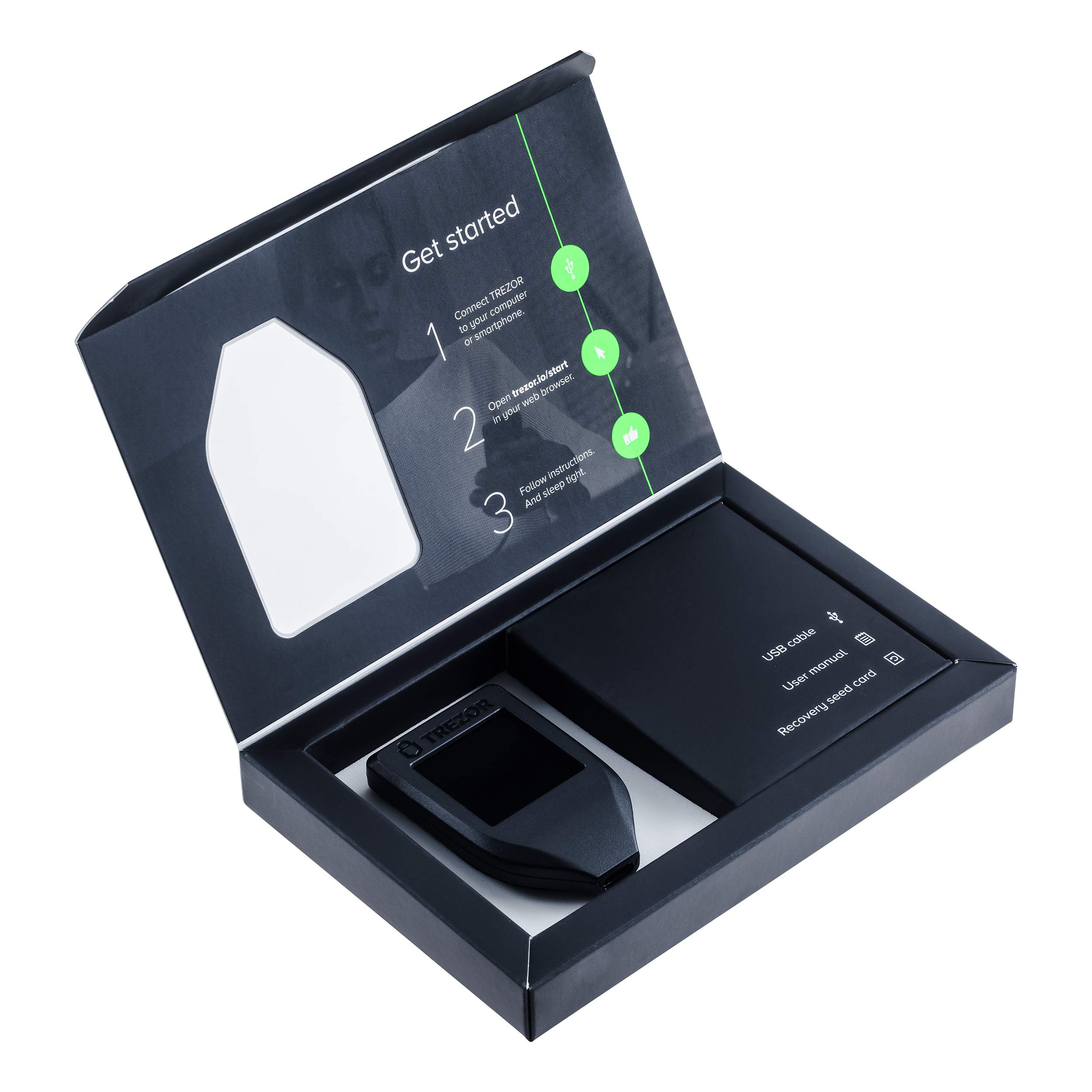
Always verify contract addresses through official protocol documentation or reputable aggregators like DefiLlama. Avoid clicking links from unverified social media posts, as phishing scams targeting airdrop hunters are prevalent. Use a dedicated hardware wallet for these interactions to isolate your main assets from potential smart contract risks. The following hardware wallets are industry standards for securing crypto assets during high-volume trading periods.

As an Amazon Associate, we may earn from qualifying purchases.
Essential Tools for Base Airdrop 2026
Securing your Base assets requires a disciplined approach to digital hygiene. Before bridging or swapping tokens, you must isolate your private keys from internet-connected devices. Hardware wallets serve as the primary defense against phishing and smart contract exploits, ensuring that even if your browser is compromised, your funds remain safe.
Start with a reputable hardware wallet. Devices from Ledger or Trezor provide offline key storage, which is non-negotiable for high-value interactions. Pair this with a secure browser environment. Use dedicated browsers or virtual machines for airdrop tasks to prevent cross-site scripting attacks that could drain your wallet.


As an Amazon Associate, we may earn from qualifying purchases.
Verification is equally critical. Always double-check contract addresses on official sources like BaseScan or Coinbase’s official documentation before approving any transaction. Never sign a transaction blindly. Treat every approval as a potential risk to your entire portfolio.
Base Airdrop Eligibility Checklist
Before committing capital, verify your wallet activity against official Base guidelines. Security is paramount; only interact with verified contracts and official documentation to avoid phishing scams.
- Bridge ETH or USDC: Use the official Base Bridge to move assets from Ethereum L1. This on-chain footprint signals active participation.
- Swap on Uniswap: Execute trades on decentralized exchanges. Volume and frequency matter more than trade size for eligibility algorithms.
- Mint NFTs: Acquire NFTs on Base-native marketplaces. Even low-cost mints contribute to your on-chain history.
- Use L2 Utility: Interact with popular Base dApps. Consistency over time is more valuable than sporadic activity.
Recommended Hardware Wallets
Protect your assets with secure hardware. These devices offer offline key storage, essential for high-stakes airdrop farming.

As an Amazon Associate, we may earn from qualifying purchases.
No comments yet. Be the first to share your thoughts!