Why Base leads 2026 airdrop hunting
Base has positioned itself as the default on-chain layer for Coinbase’s 110 million verified users. This integration creates a unique funnel: millions of fiat on-ramps and wallet holders who are already familiar with the ecosystem but often hesitant to navigate complex Ethereum mainnet gas fees. For airdrop hunters, this translates to higher potential rewards with lower transaction costs. The barrier to entry is simply opening a Coinbase wallet, making the volume of activity on the chain significantly higher than most competing Layer-2s.
The economic model of Base is designed to incentivize this growth. By offering zero or near-zero gas fees for most transactions, Base removes the friction that typically deters casual users. This environment allows protocols like OpenSea and Polymarket to onboard retail participants who would otherwise be priced out. When a major protocol on Base launches a token, the distribution pool is not just limited to crypto-native degens; it includes millions of traditional finance users who have never interacted with a smart contract before.
Risk management in this space requires focusing on protocols with clear utility and existing user bases rather than speculative memecoins. The most valuable airdrops in 2026 will likely come from established players like OpenSea, which is migrating its core operations to Base, and Polymarket, which has seen explosive growth in prediction markets. These platforms have the user data and transaction volume necessary to justify a token launch, making them the primary targets for serious airdrop farming strategies.
7 Base Airdrops to Watch in 2026: High-ROI Opportunities on Coinbase's L2
Navigating the Base ecosystem in 2026 requires strict risk management and reliance on official protocol announcements rather than speculation. This roundup identifies seven specific opportunities, including OpenSea and Polymarket, where early engagement on Coinbase’s L2 may yield significant returns. Verify all claims through primary sources before allocating capital.
1. The official Base token airdrop
Coinbase has not confirmed a native BASE token, making any claims of an imminent official airdrop speculative. Investors should treat these rumors as high-risk noise rather than guaranteed returns. Rely on Coinbase’s official engineering blog for verified announcements. Avoid third-party sites claiming to distribute tokens, as these are often phishing scams designed to drain wallets. True opportunities will only emerge from on-chain activity, not speculative promises.

2. OpenSea Base integration rewards
OpenSea’s expansion to Base offers early adopters a chance to earn potential incentives through trading volume and liquidity provision. Users can bridge assets via official bridges and execute trades on the Base network to qualify for future reward distributions. This strategy leverages existing marketplace activity rather than creating new, risky positions. Monitor OpenSea’s official announcements for specific eligibility criteria regarding Base-based transactions and holding periods.

3. Polymarket prediction market plays
Polymarket operates on Polygon but frequently explores Layer 2 expansions, including potential Base integration for lower-cost betting markets. Users can engage with prediction markets by providing liquidity to outcome pools or trading on high-visibility events. Early participation in Base-compatible prediction protocols may yield airdrop eligibility if Polymarket officially launches on the network. Verify all smart contract interactions through Polymarket’s verified documentation to avoid malicious interfaces.

4. Hyperliquid cross-chain bridge usage
Hyperliquid’s high-performance L1 often bridges assets to EVM-compatible chains like Base for broader accessibility. Users interacting with Hyperliquid’s official bridge to move USDC or other assets onto Base may qualify for ecosystem incentives. Focus on high-volume, sustained bridging activity rather than one-time transfers. Always use the official Hyperliquid bridge interface to prevent loss of funds. Monitor their official Discord and GitHub for updates on Base-specific reward campaigns or liquidity mining programs.

5. Base-native DeFi protocol incentives
Emerging DeFi protocols on Base, such as Aerodrome or BaseSwap, often distribute tokens to early liquidity providers and active traders. These platforms incentivize users to provide liquidity to key trading pairs or stake governance tokens. Participation requires careful assessment of impermanent loss risks and protocol security audits. Focus on protocols with transparent tokenomics and active community governance. Engage only with audited smart contracts to maximize the potential for legitimate airdrop eligibility while minimizing exposure to rug pulls.
6. Coinbase Wallet and Onchain Campaigns
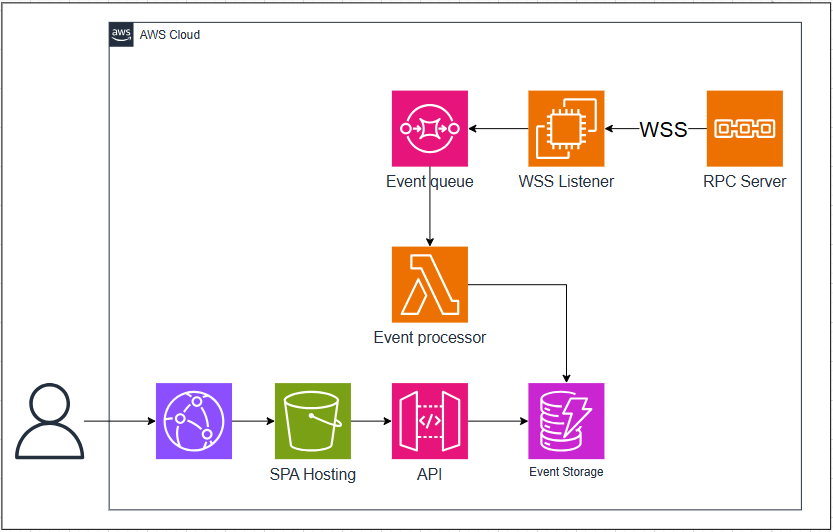
Leverage Coinbase Wallet’s built-in airdrop hunting tools to track eligible campaigns directly within the interface. This native integration reduces friction by aggregating eligibility criteria, ensuring you do not miss snapshot deadlines for high-value distributions. Always verify official announcements through Coinbase’s verified channels to avoid phishing scams targeting new users.

7. Emerging Base L2 infrastructure plays
Target foundational protocols providing critical infrastructure, such as decentralized sequencers or data availability layers, before they launch governance tokens. Early interaction with these core services often yields significant airdrop allocations, as projects reward users who support network stability and adoption during the initial growth phase.

How to qualify for Base rewards safely
Qualifying for Base airdrops requires consistent, verifiable activity on the network. The goal is to demonstrate genuine utility—bridging assets, trading on decentralized exchanges like Uniswap, or providing liquidity—while maintaining strict security hygiene. Scammers actively impersonate official Base channels to drain wallets. You must treat every interaction as a potential security risk until verified.

Before interacting with any protocol, ensure your hardware wallet (Ledger or Trezor) is updated and your recovery phrase is stored offline. Use a dedicated browser profile or a separate wallet address for airdrop hunting to isolate risk. If your main holdings are compromised, your airdrop eligibility becomes irrelevant.

Move ETH or stablecoins from Ethereum Mainnet to Base using the official Coinbase Bridge. Third-party bridges carry smart contract risk. Verify the bridge URL is bridge.base.org before initiating any transaction. Small test transactions first confirm the path is active and gas fees are reasonable.

Provide liquidity or swap tokens on established Base decentralized exchanges like Aerodrome or Uniswap. Consistent volume matters more than single large trades. Aim for regular, small transactions that mimic organic user behavior. Avoid wash trading patterns that on-chain analytics flags as manipulation.
Interact with NFT platforms like OpenSea or Zora on Base. Minting a low-cost NFT or buying a second-hand item demonstrates active participation. This activity signals to protocol teams that you are a real user, not a bot farming rewards. Keep receipts and transaction hashes for your records.
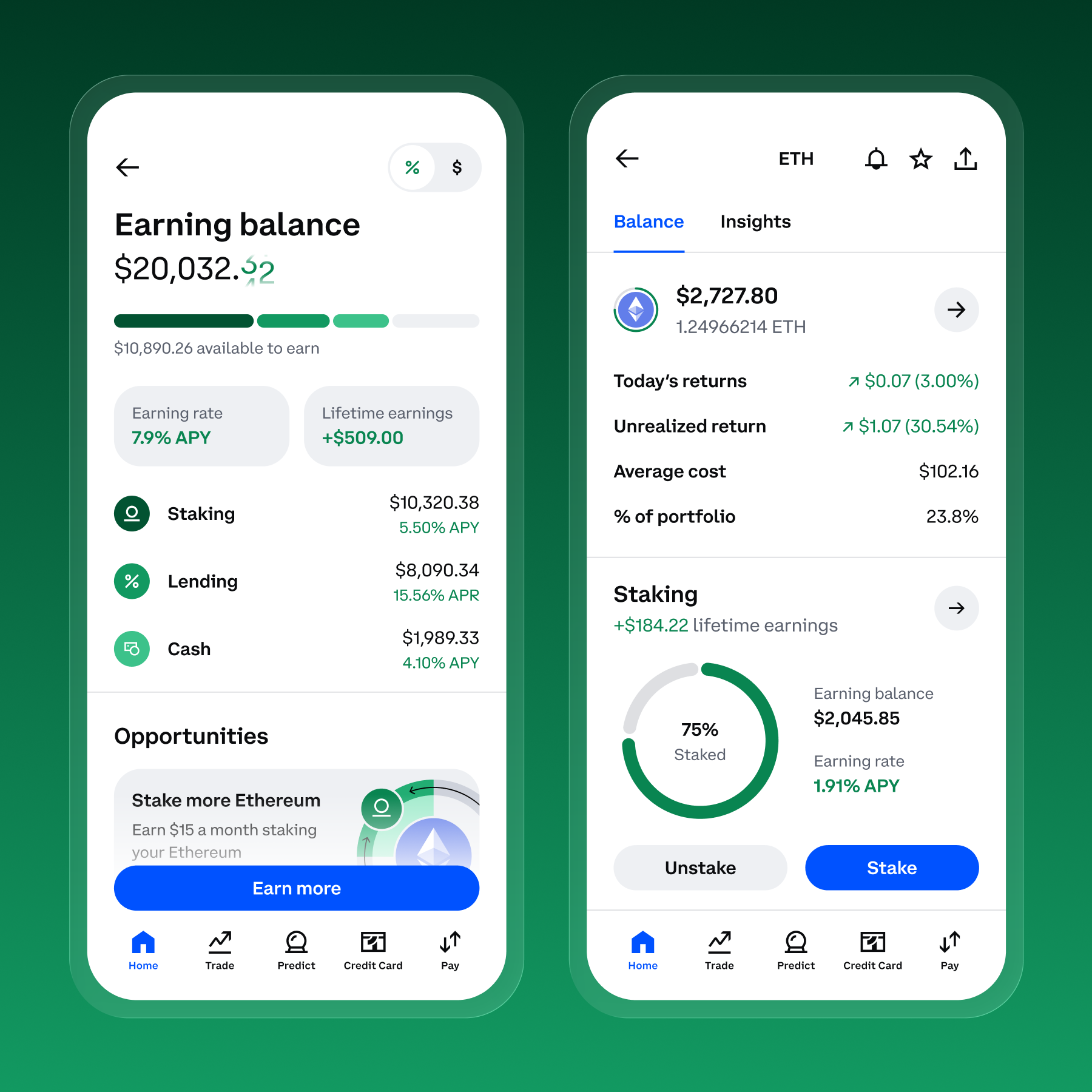
Lend assets on Base-native lending platforms or borrow against collateral. This creates complex on-chain footprints that are harder to fake. Interacting with multiple distinct protocols (lending, trading, NFTs) spreads your risk and increases your profile across different airdrop criteria.
If a protocol has a token or voting mechanism, vote on proposals. Even if the token is not yet distributed, early governance participation is often a weighted factor in future airdrop allocations. Check the protocol’s Discord or forum for active governance discussions.
Stay alert for official announcements. Airdrop claims are never automatic; you must actively visit the claim portal. Bookmark official claim pages and set calendar reminders for snapshot dates. Beware of fake claim sites that mimic the official interface to steal your keys.


As an Amazon Associate, we may earn from qualifying purchases.
Security is not a feature; it is the foundation of your strategy. By sticking to official bridges, verified DEXs, and reputable NFT marketplaces, you protect your capital while building the transaction history required to qualify for Base rewards. Never compromise your private keys for the promise of free tokens.
Base airdrop 2026 FAQ
Investors tracking Coinbase’s Layer-2 network are asking the same core questions: will a token launch, how will rewards be distributed, and is this strategy still viable in 2026? Below are direct answers based on current ecosystem activity and official project signals.
The distinction between speculation and official fact is critical. Prediction markets like Polymarket often assign odds to token launches, but these are betting instruments, not financial guarantees. Always verify token details through Coinbase’s official documentation before allocating capital or time.
No comments yet. Be the first to share your thoughts!