Why base airdrop 2026 matters now
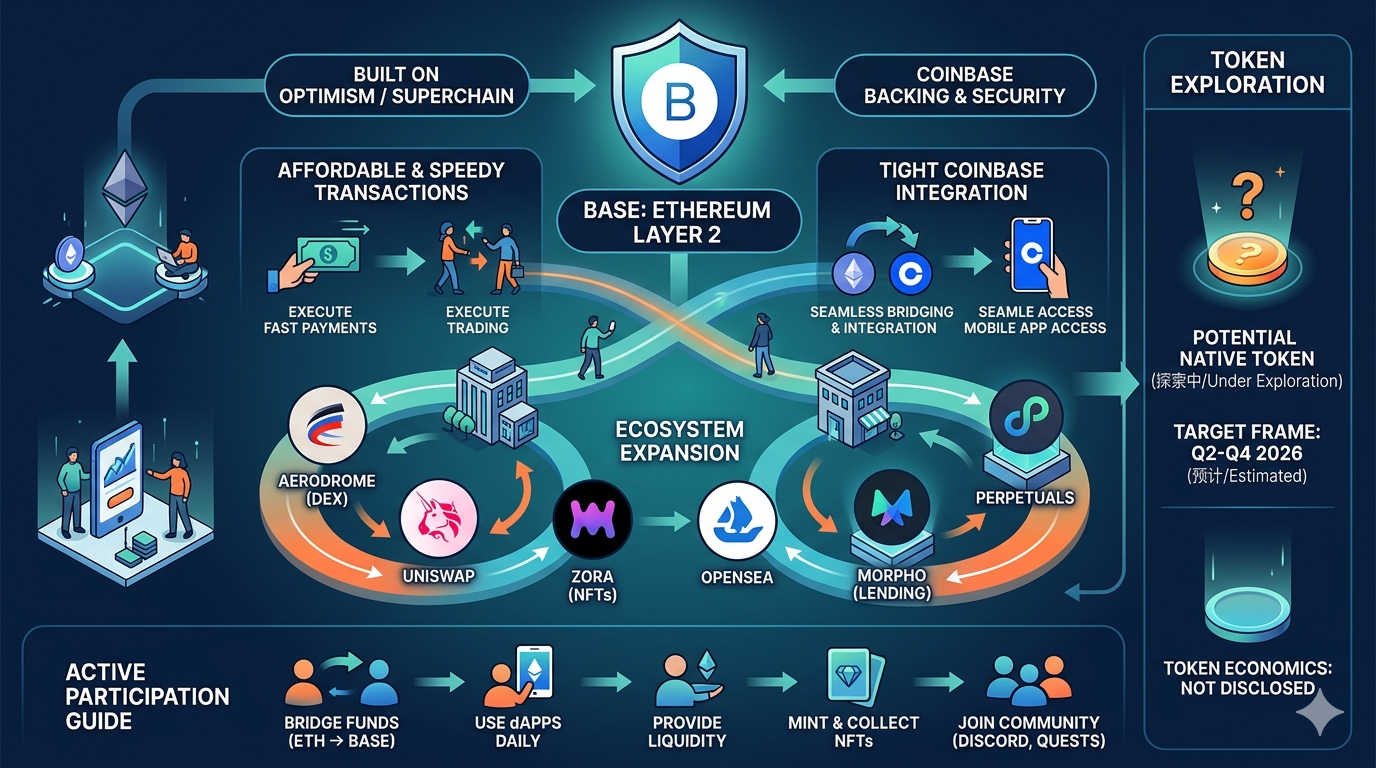
Coinbase Head of Protocols Jesse Pollak recently confirmed the team is "exploring" the launch of a network token for Base. This announcement transforms Base from a silent utility into a potential distribution event, making 2026 the critical window for early engagement.
This exploration is a strategic move to decentralize the network that now hosts some of the most active crypto communities. For users, this means the difference between passive observation and active participation in what could be one of the largest airdrops in recent history. The potential value of a base airdrop 2026 distribution depends entirely on the criteria set by the team, which typically rewards meaningful, long-term engagement rather than simple, fleeting transactions.
Engaging now allows you to build the on-chain history that protocols like Base often use to filter eligible participants. Whether you are bridging assets, using DeFi protocols, or minting NFTs, your activity in 2026 sets the foundation for potential rewards. Waiting for the official token generation event (TGE) announcement may be too late to qualify, as snapshot dates are rarely announced far in advance.
5 Base Airdrops to Watch in 2026: Early Opportunities on the Optimism Superchain
The Base airdrop 2026 landscape is shaping up as a critical window for early opportunities on the Optimism Superchain. As developer activity surges, identifying the right protocols before they go live is essential for capturing value.
1. BaseSwap DEX token launch
BaseSwap dominates decentralized trading on the Base network, offering deep liquidity and low slippage for early adopters. As the native DEX, its potential token launch represents a direct opportunity to capture governance rights and fee shares. Users swapping tokens today position themselves for future airdrop eligibility based on trading volume and liquidity provision. This foundational infrastructure play is central to any Base airdrop 2026 strategy.

2. Uniswap V4 Base deployment
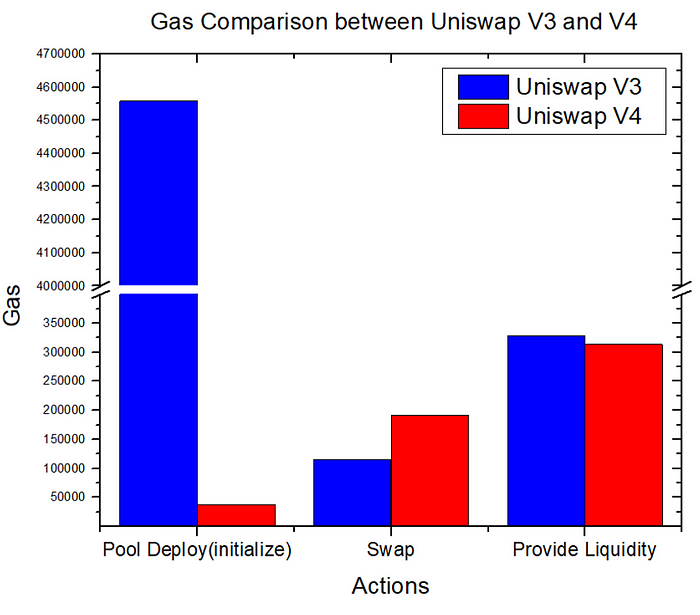
Uniswap V4 introduces customizable hooks and increased efficiency, with Base as a primary deployment target. Early interaction with V4 pools on Base could yield significant rewards as the protocol scales. Users providing liquidity or executing trades during the initial rollout phase may qualify for retroactive airdrops. This upgrade enhances capital efficiency, making it a critical component for serious Base airdrop 2026 participants seeking high-yield opportunities.
3. Aerodrome Finance reward expansion
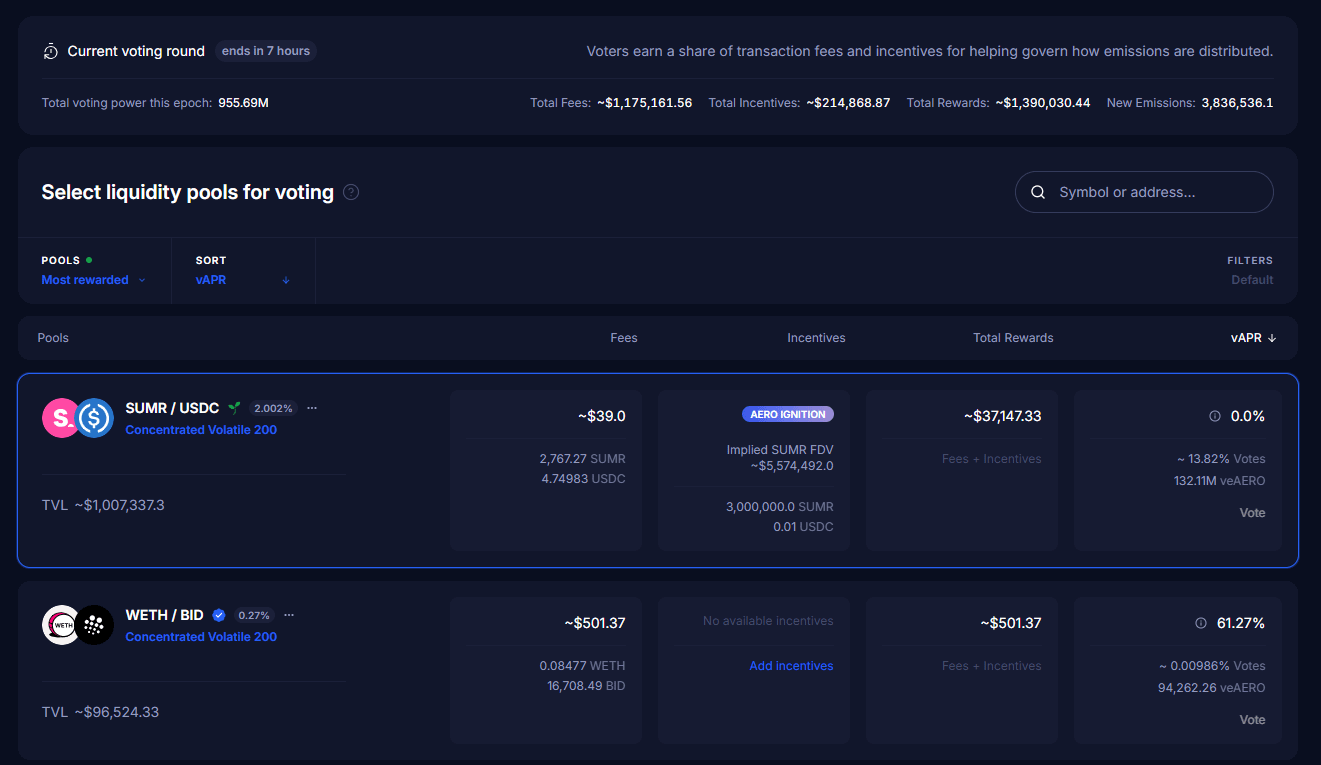
Aerodrome Finance serves as the core liquidity hub on Base, leveraging ve(3,3) mechanics to direct emission rewards. Expanding reward pools and introducing new liquidity incentives creates direct avenues for user airdrops. Active liquidity providers and voters in the governance system are prioritized for future token distributions. Monitoring Aerodrome’s expansion is essential for anyone tracking Base airdrop 2026 opportunities, as it remains the ecosystem’s liquidity anchor.
4. Compound III Base integration
Compound III brings capital-efficient lending to Base, allowing users to borrow and supply assets with optimized yield. Early adopters interacting with Compound III on Base may receive airdrops as the protocol establishes its presence. Supplying stablecoins or borrowing against volatile assets during the initial phase can generate significant value. This integration expands DeFi utility on Base, making it a key pillar for a comprehensive Base airdrop 2026 portfolio.

5. Morpho Blue Base protocol
Morpho Blue offers permissionless lending markets with customizable parameters, deploying on Base to enhance capital efficiency. Early users creating or participating in Morpho Blue markets on Base are well-positioned for potential airdrops. The protocol’s flexibility allows for tailored lending strategies, attracting sophisticated DeFi users. Engaging with Morpho Blue’s unique architecture is crucial for maximizing returns in the Base airdrop 2026 landscape, offering distinct advantages over traditional lending protocols.

The base airdrop 2026 opportunity
Coinbase’s Ethereum Layer-2 network has finally shifted its stance. After years of denying plans to issue a native currency, Coinbase Head of Protocols Jesse Pollak confirmed the company is "exploring" the launch of a network token. This development makes the potential Base airdrop 2026 the primary opportunity for early adopters on the chain.
The airdrop is expected to reward meaningful participation rather than simple holding. Eligibility likely hinges on active engagement across the ecosystem, including bridging assets from Ethereum, utilizing DeFi protocols, minting NFTs, and contributing to the broader Base community. Users who establish deep roots in these areas are positioning themselves for potential rewards.
To qualify, you will need to interact with the network’s core infrastructure. This involves moving capital onto Base and maintaining activity over time. As the network explores its tokenomics, early users who bridge assets and use DeFi protocols are the most likely candidates for receiving the BASE token when it officially launches.
MetaMask Integration Rewards
Coinbase’s deep integration of MetaMask into the Base ecosystem creates a unique opportunity for users to qualify for a Base airdrop 2026. Because MetaMask serves as the default wallet interface for millions of Base users, every transaction, bridge, or DeFi interaction performed through the extension is tracked as high-quality on-chain activity.
This partnership is not merely cosmetic; it is a strategic alignment that prioritizes user retention on the Base network. When you use MetaMask on Base, you are effectively signaling your intent to participate in the ecosystem. Projects building on Base, such as Aerodrome or Uniswap, often prioritize users who demonstrate consistent engagement through trusted wallets like MetaMask.
While Coinbase has not officially confirmed specific reward tiers for MetaMask users, the pattern is clear: early adopters who bridge assets and swap tokens via the integrated wallet are positioned to receive the largest allocations. The potential Base airdrop 2026 will likely reward this seamless integration, favoring those who keep their assets and activity within the Coinbase-MetaMask loop.
LayerZero Cross-Chain Activity
LayerZero powers the interoperability that makes the Base ecosystem viable. As a message-passing protocol, it allows assets and data to move between Base and other chains in the Optimism Superchain and beyond. For a Base airdrop 2026 strategy, this connectivity is a primary target.
The LayerZero team has confirmed that the ZRO token is live. Users who bridge assets using LayerZero-enabled dApps on Base are often eligible for ZRO rewards. This creates a dual-opportunity: earning ZRO while building the on-chain history that projects look for in future distributions.
To participate, users typically bridge ETH or stablecoins from Ethereum or Arbitrum into Base using gateways like Stargate Finance or Orbiter Finance. These actions register on-chain as active cross-chain users. Since the Base network is still exploring its own token launch, engaging with the infrastructure that supports it positions you early.
Polymarket Prediction Markets
Polymarket has established a significant presence on Base, leveraging the network's low fees to facilitate high-volume prediction market trading. This activity has placed Polymarket at the center of discussions regarding future Base airdrop 2026 opportunities, particularly for the potential POLY token.
The platform operates as a decentralized prediction market where users trade on real-world events. By migrating key operations to Base, Polymarket has reduced transaction costs for participants, encouraging more frequent trading and deeper liquidity. This shift aligns with the broader trend of DeFi applications seeking scalable infrastructure to support mass adoption.
For investors tracking a Base airdrop 2026, Polymarket represents a high-potential candidate. Historical patterns suggest that early users on new L2 networks often receive token allocations. Engaging with Polymarket on Base—by placing trades, providing liquidity, or participating in community governance—could position users favorably for any future POLY distribution.
The focus remains on measurable on-chain activity. Consistent usage of the platform on Base serves as a primary indicator of user value, which is often the metric used to determine airdrop eligibility. Monitoring Polymarket's Base integration offers a clear path to identifying early opportunities in the prediction market sector.
Hyperliquid Perpetuals on Base
Hyperliquid has expanded its high-performance perpetuals exchange to Base, bringing deep liquidity and institutional-grade trading tools to Coinbase’s Layer 2 network. This integration allows traders to execute complex derivatives strategies with low fees and high throughput, directly within the Base ecosystem.
The platform's native HYPE token is central to this expansion. While Hyperliquid is already a major player in the derivatives space, its presence on Base opens new avenues for user engagement. Trading volume on the Base-deployed instance often serves as a key metric for potential Base airdrop 2026 eligibility, as early adopters of new Base-based protocols frequently receive token rewards.
Users engaging with Hyperliquid on Base can bridge assets from Ethereum mainnet or other sources to participate. The platform’s architecture prioritizes speed and capital efficiency, making it a favorite for active traders. By providing a seamless bridge between Base’s user base and Hyperliquid’s trading engine, the protocol aims to capture significant market share in the derivatives sector.
Monitoring Hyperliquid’s Base integration is essential for anyone targeting airdrop opportunities. As one of the first major DeFi primitives to launch on Base, it sets a precedent for how high-frequency trading protocols can thrive on Coinbase’s network. Early interaction with the platform’s unique features may position users favorably for future token distributions.
Comparing Base Airdrop Opportunities
With the Base token launch under exploration by Coinbase, the 2026 airdrop landscape is shifting from speculation to measurable ecosystem activity. Investors are weighing five primary avenues to capture value, each carrying distinct risk profiles and capital requirements. Understanding these differences is essential for allocating effort before the potential distribution event.
| Project | Risk Level | Potential Reward | Required Action |
|---|---|---|---|
| Base Native | Medium | High | Bridge assets and use Base DeFi |
| OpenSea Base | Low | Medium | List NFTs on Base chain |
| Polymarket Base | Medium | High | Trade prediction markets |
| Hyperliquid Base | High | Very High | High-frequency trading volume |
| Base Builders | Low | Variable | Deploy dApps or contribute code |
The most direct path involves native Base activity. Bridging assets and interacting with on-chain DeFi protocols establishes a clear on-chain footprint. This method carries medium risk because it requires locking capital, but it aligns directly with the network's growth metrics.
Alternative opportunities like OpenSea and Polymarket offer lower risk entry points. Listing NFTs or trading prediction markets on Base requires less capital but may yield smaller allocations. Hyperliquid presents the highest potential reward for experienced traders willing to handle high volatility. Finally, contributing as a builder offers a low-risk, variable-reward path for developers.
Base Airdrop Questions Answered
The landscape for the Base airdrop 2026 is shifting rapidly as Coinbase officially confirms it is exploring a native network token. While the exact mechanics remain unconfirmed, early participants are positioning themselves based on historical precedents from the Superchain ecosystem.
Helpful gear
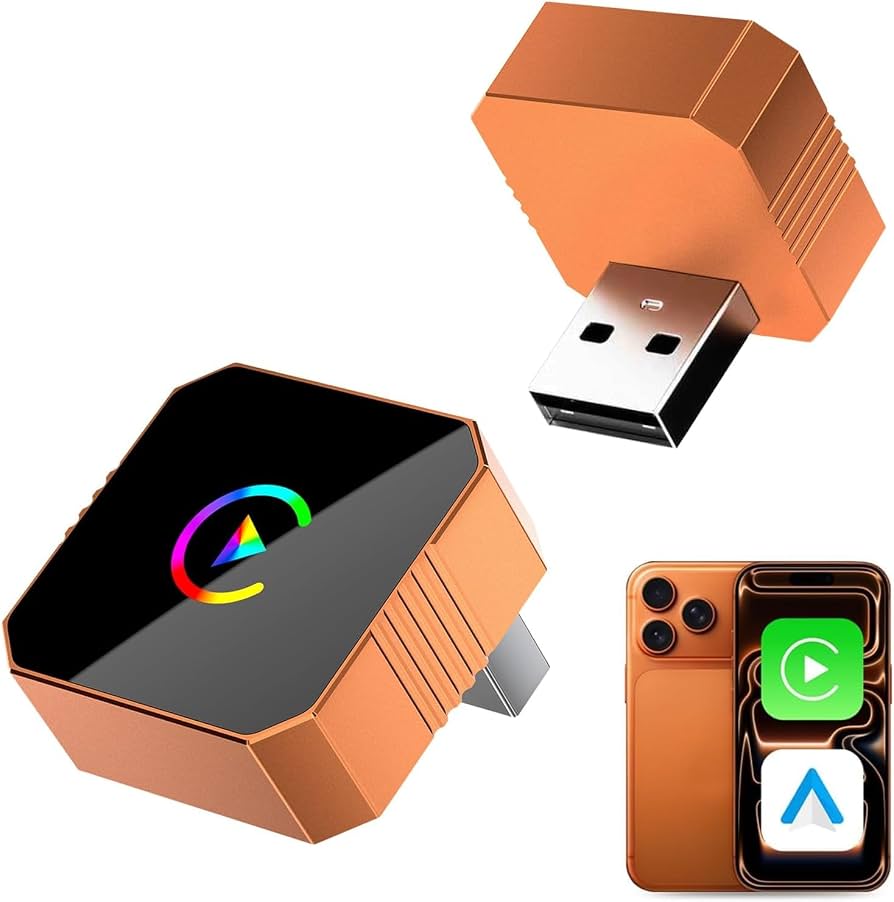
Use these product recommendations as a starting point, then choose the size, material, and price point that fit how you actually use the gear.

As an Amazon Associate, we may earn from qualifying purchases.
No comments yet. Be the first to share your thoughts!