
base airdrop 2026
The Base airdrop represents one of the most anticipated token distributions in the current crypto cycle. Because Coinbase’s Layer-2 network operates without a native governance token, early users who bridge assets, provide liquidity, and build on the chain are positioned to receive rewards when the token generation event (TGE) finally occurs. This gap between ecosystem growth and token launch is what creates the "airdrop farming" opportunity we are tracking for August 2026.
Selecting the top five opportunities required filtering out noise and focusing on protocols with genuine on-chain activity and clear incentive structures. We prioritized projects that are deeply integrated into the Base ecosystem, such as Aerodrome and Morpho, rather than generic bridges. Each selection below was chosen based on its current usage volume, the clarity of its reward mechanics, and its potential for significant token emissions.
Our goal is not to promise profits, but to highlight where meaningful participation is happening now. By focusing on these five specific protocols, you can align your activity with the projects most likely to distribute value to early supporters. The following list breaks down exactly what to do with each platform to maximize your eligibility.
5 Base Airdrops to Watch in August 2026: Early Opportunities on Coinbase's L2
August 2026 marks a critical window for identifying early opportunities on Base, Coinbase’s high-throughput L2. We evaluated five protocols with clear airdrop mechanics, focusing on concrete utility and transparent tokenomics rather than speculation.
1. Aerodrome Finance liquidity incentives
Aerodrome drives Base volume through ve(3,3) mechanics, rewarding liquidity providers with AERO emissions. Align your capital with high-yield pools to capture trading fees and token rewards. Monitor the veAERO gauge weightings to ensure your liquidity earns maximum incentives before distribution shifts.

2. Uniswap V3 Base deployment strategy
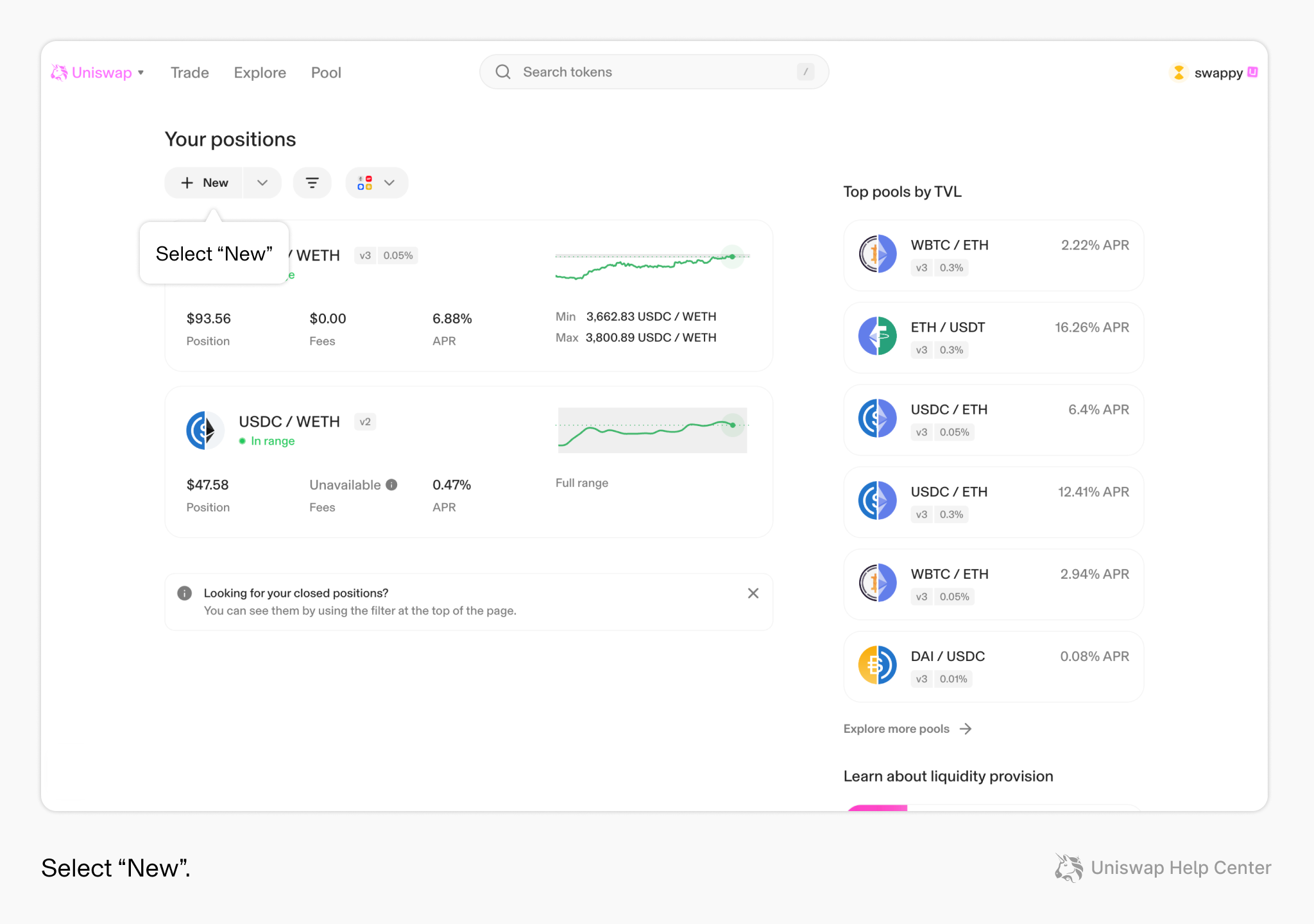
Uniswap V3 on Base offers concentrated liquidity, allowing precise capital allocation across specific price ranges. Deploy positions in active trading pairs to earn fees from high-volume swaps. Adjust your tick ranges dynamically to maintain competitiveness and avoid impermanent loss during volatile market conditions.
3. Compound V3 Base market entry
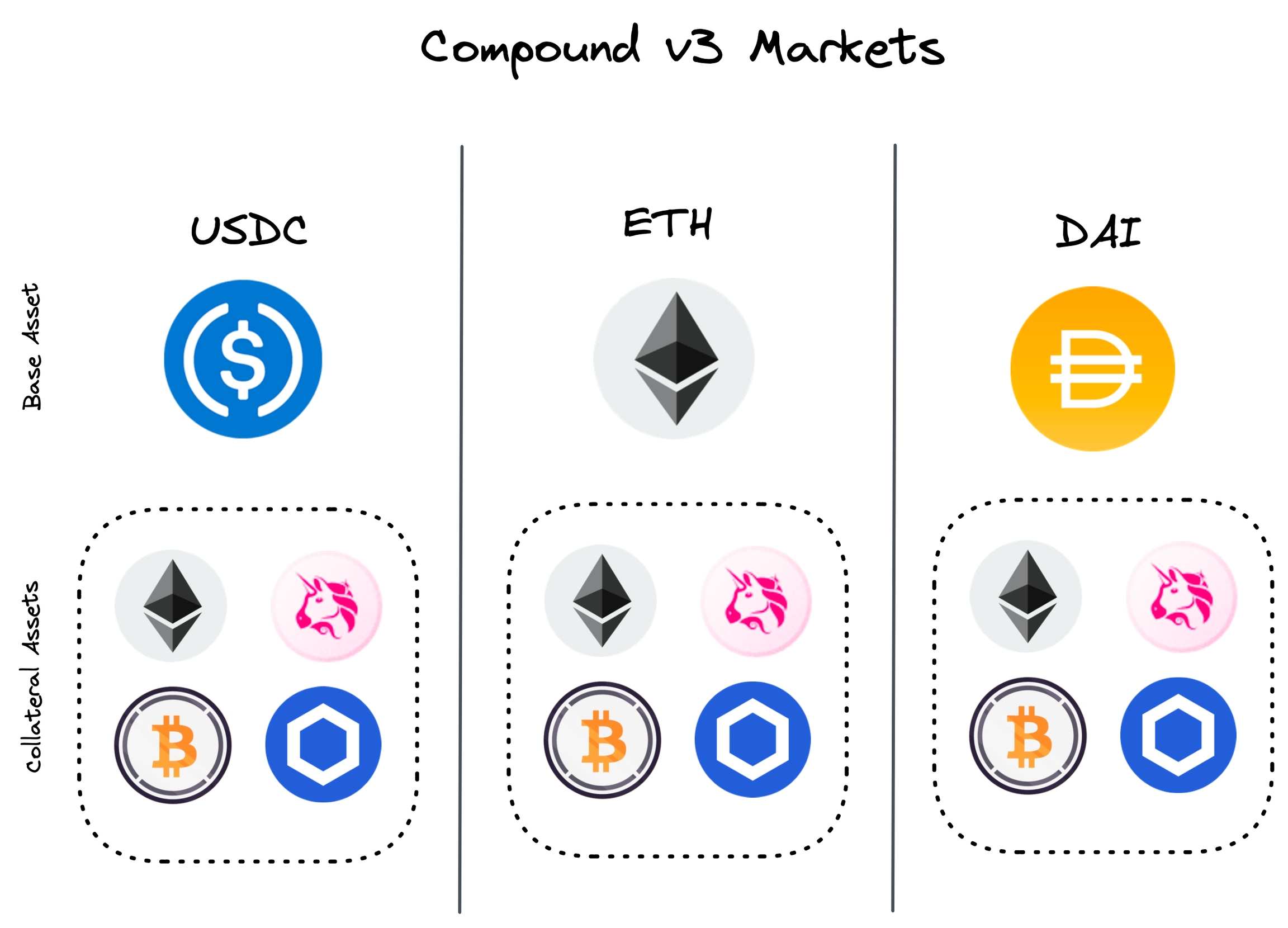
Compound V3 introduces isolated markets on Base, reducing risk contagion between assets. Supply stablecoins or major assets to earn cUSDCv3 rewards while maintaining separation from volatile positions. Track the utilization rate to optimize your yield, as higher utilization typically drives increased interest rates for suppliers.
4. Aave V3 Base lending opportunities
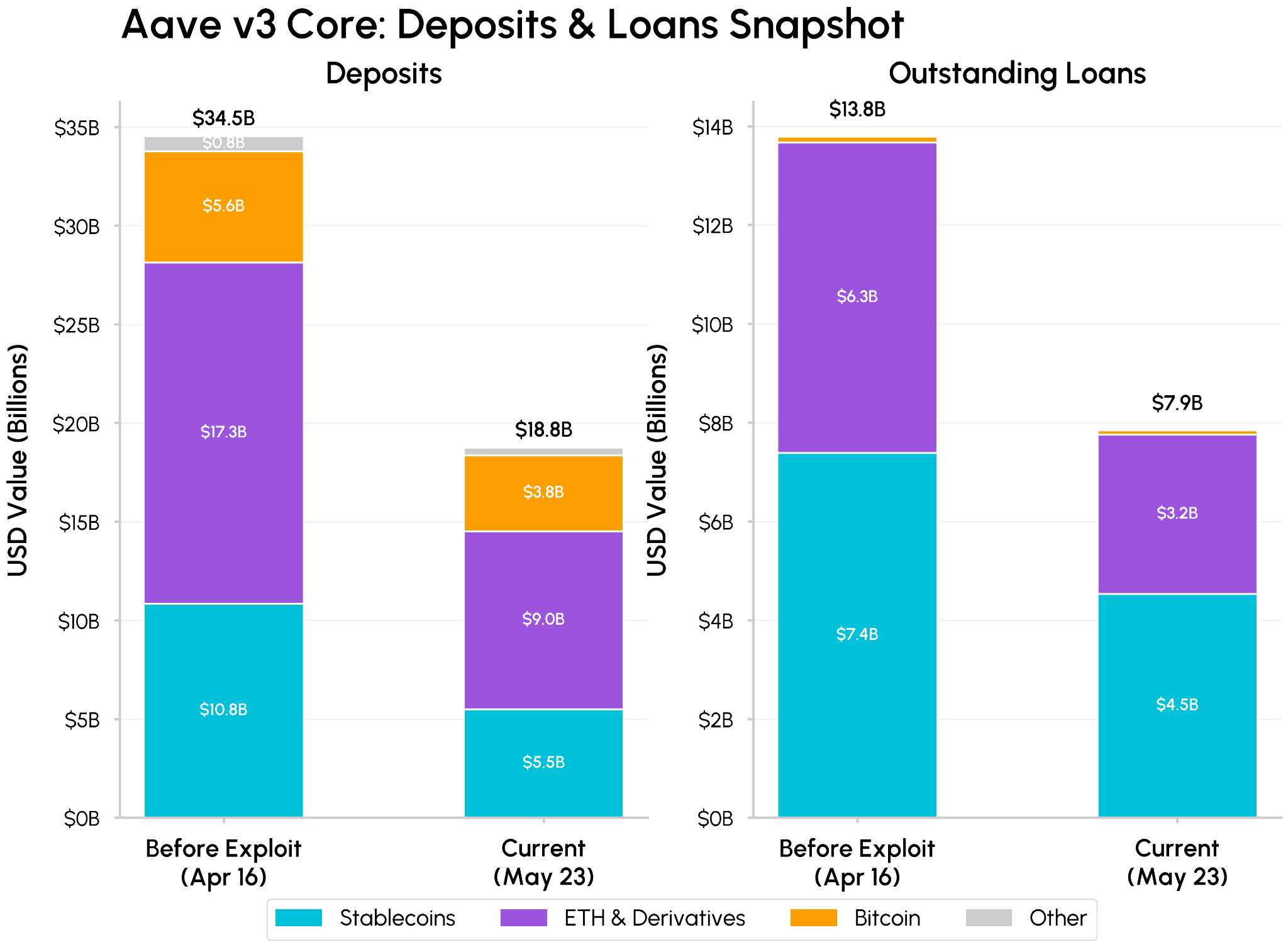
Aave V3 provides flash loan capabilities and efficient collateral management on Base. Deposit assets to earn variable or stable interest rates while maintaining access to liquidity via flash loans for arbitrage. Monitor the health factor closely to avoid liquidation risks, especially when using volatile assets as collateral.
5. Lido stETH Base integration
Lido’s stETH integration on Base allows holders to earn yield while maintaining liquid staking exposure. Bridge stETH to Base to utilize it in DeFi protocols for additional yield generation. This strategy combines Ethereum staking rewards with Base-specific DeFi opportunities, maximizing returns on long-term ETH holdings.
How to pick the right Base airdrop
Choosing the right opportunity requires matching your risk tolerance and capital to the project's specific requirements. Not all Base airdrops are created equal; some demand significant liquidity provision, while others reward simple usage.
1. Verify eligibility requirements
Check if the protocol requires active participation or just passive holding. Many airdrops target early adopters who have bridged assets or provided liquidity. Ensure you meet all criteria before committing funds.
2. Assess your risk tolerance
Some protocols carry higher smart contract risks than others. Evaluate the team's track record and the protocol's audit status. Higher potential rewards often come with greater exposure to rug pulls or bugs.
3. Calculate the cost of participation
Factor in gas fees and opportunity costs. Bridging ETH to Base and interacting with DeFi protocols incurs transaction fees. Ensure the potential airdrop value justifies the upfront costs.
4. Check for Sybil protection
Many projects now use Sybil detection to prevent farm accounts from receiving rewards. Use unique wallets and avoid interacting with multiple addresses simultaneously to maintain eligibility.
5. Review the tokenomics
Understand how the token will be distributed and vested. Check if early participants receive a fair share or if large allocations go to insiders. Transparent tokenomics often signal a healthier project.


As an Amazon Associate, we may earn from qualifying purchases.
| Criterion | Low Risk | High Risk |
|---|---|---|
| Capital Required | Minimal | Significant |
| Technical Skill | Basic | Advanced |
| Reward Potential | Moderate | High |
No comments yet. Be the first to share your thoughts!